
Visiting the Florida Keys: What the Brochures Leave Out

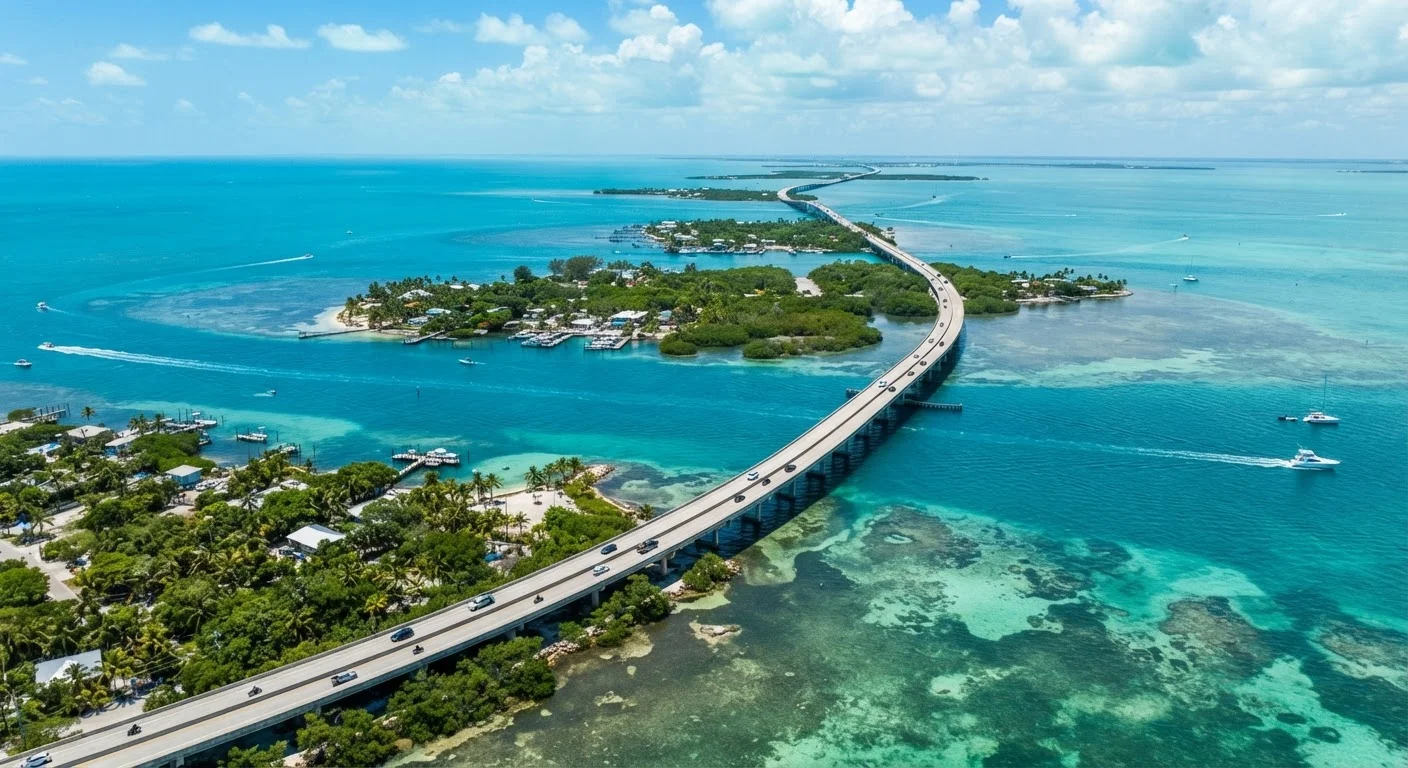
Photo: QuickAdvisor.net editorial
Key Takeaways
- US 1 is the only road in and out of the Keys, making traffic a serious trip-planning factor.
- Coral reef conditions vary significantly by season, depth, and location - research before you dive.
- Summer brings heat, humidity, and hurricane risk; winter is peak season with higher prices and more crowds.
- The Keys reward travelers who slow down and explore beyond the well-worn Key West circuit.
- Costs are consistently higher than mainland Florida, especially for accommodation and dining.
Only living barrier reef in the continental US
Florida Reef offers snorkeling and diving experiences unavailable anywhere else in the lower 48 states. Healthy sections support abundant marine life including sea turtles, rays, and tropical fish.
Distinct island communities with real local character
Each key - from Key Largo down to Key West - has its own atmosphere and specialties. Exploring beyond Key West rewards travelers with authentic seafood, backcountry fishing culture, and far less congestion.
World-class sportfishing and backcountry access
The shallow flats of Florida Bay and the deep channels of the Atlantic make the Keys one of the premier sportfishing destinations in North America, with species like tarpon, bonefish, and permit available year-round.
Genuinely mild and dry winter climate
From December through April, daily temperatures in the 70s°F and low humidity make outdoor activities comfortable and predictable - a stark contrast to most of the continental US at that time of year.
Accessible without international travel logistics
The Keys deliver a tropical feel with the simplicity of domestic travel - no passport required, no currency exchange, and familiar consumer infrastructure throughout.
Single road creates severe traffic bottlenecks
US 1 is the only route in and out of the Keys. Holiday weekends and peak-season Fridays can turn a two-hour drive into a four-hour standstill with no alternative routes available.
Reef degradation means variable underwater conditions
Coral bleaching and storm damage have affected sections of Florida Reef significantly. Conditions vary widely by site, and marketing imagery often doesn't reflect current on-the-water reality.
Hurricane season creates real risk June through November
The Keys sit in a vulnerable position during Atlantic hurricane season. Summer and early fall travelers should have flexible bookings and travel insurance, and should monitor forecasts actively.
Costs are substantially higher than mainland Florida
Island logistics drive up prices for food, accommodation, and activities. Budget travelers will find the Keys a challenging destination without significant advance planning.
Key West crowds can overwhelm the laid-back atmosphere
Cruise ship arrivals and peak-season tourism concentrated on Duval Street can make Key West feel more like a theme park than a relaxed island town, particularly between December and April.
Summer heat and humidity limit outdoor comfort
Temperatures regularly exceed 90°F with high humidity from June through September, and afternoon thunderstorms are frequent. Water activities are still viable, but sightseeing on foot becomes genuinely taxing.
The One-Road Problem Nobody Warns You About
Every mile of the Florida Keys is threaded together by a single road: US Highway 1, also called the Overseas Highway. It's a genuine engineering marvel - but it's also a logistical chokepoint that shapes nearly every decision you'll make on your trip.
On a busy Friday afternoon or holiday weekend, the 110-mile drive from Homestead to Key West can stretch well beyond four hours. There are no alternate routes, no bypasses, and no exits to reroute around an accident. A single fender-bender or drawbridge opening can halt traffic island-wide. Plan your arrival and departure days around this reality: mid-week travel, early morning departures, and building buffer time into your schedule will reduce frustration significantly.
Beyond Key West: The Other Keys
If you're staying in the Middle Keys or Upper Keys, you don't have to drive to Key West at all. Marathon, Islamorada, and Key Largo each have their own distinct character, dining scenes, and water access - and travelers often skip these stops entirely in their rush to reach the southernmost point.
What the Water Actually Looks Like (and When)
The turquoise water in Keys photography is real - but it's also seasonal, weather-dependent, and tide-sensitive. Wind events, boat traffic, and summer rainfall can all reduce visibility, stir up sediment, and turn those picture-perfect flats a murky greenish-brown for days at a time.
Only living barrier reef in the continental US
Florida Reef offers snorkeling and diving experiences unavailable anywhere else in the lower 48 states. Healthy sections support abundant marine life including sea turtles, rays, and tropical fish.
Distinct island communities with real local character
Each key - from Key Largo down to Key West - has its own atmosphere and specialties. Exploring beyond Key West rewards travelers with authentic seafood, backcountry fishing culture, and far less congestion.
World-class sportfishing and backcountry access
The shallow flats of Florida Bay and the deep channels of the Atlantic make the Keys one of the premier sportfishing destinations in North America, with species like tarpon, bonefish, and permit available year-round.
Genuinely mild and dry winter climate
From December through April, daily temperatures in the 70s°F and low humidity make outdoor activities comfortable and predictable - a stark contrast to most of the continental US at that time of year.
Accessible without international travel logistics
The Keys deliver a tropical feel with the simplicity of domestic travel - no passport required, no currency exchange, and familiar consumer infrastructure throughout.
Snorkeling and diving in the Keys can be genuinely spectacular, particularly on the Atlantic (ocean) side where Florida Reef - the only living barrier reef in the continental US - runs parallel to the islands. However, coral bleaching events have caused measurable damage to sections of the reef over recent decades, and conditions vary considerably by site and season. Before booking dive excursions, it's worth checking recent trip reports from local dive operators rather than relying on marketing photos that may be years old.
The Gulf side of the Keys offers calmer, shallower water - ideal for kayaking, paddleboarding, and wading - but visibility is generally lower. Both sides have their strengths depending on what you're after.
Timing: Every Season Has a Catch
Winter (roughly December through April) is peak season in the Keys. Temperatures are genuinely pleasant - typically in the 70s°F - and conditions are drier and more predictable. The trade-off is that accommodation prices spike, popular spots fill up, and US 1 becomes its most congested version. Booking months in advance is standard practice.
Single road creates severe traffic bottlenecks
US 1 is the only route in and out of the Keys. Holiday weekends and peak-season Fridays can turn a two-hour drive into a four-hour standstill with no alternative routes available.
Reef degradation means variable underwater conditions
Coral bleaching and storm damage have affected sections of Florida Reef significantly. Conditions vary widely by site, and marketing imagery often doesn't reflect current on-the-water reality.
Hurricane season creates real risk June through November
The Keys sit in a vulnerable position during Atlantic hurricane season. Summer and early fall travelers should have flexible bookings and travel insurance, and should monitor forecasts actively.
Costs are substantially higher than mainland Florida
Island logistics drive up prices for food, accommodation, and activities. Budget travelers will find the Keys a challenging destination without significant advance planning.
Key West crowds can overwhelm the laid-back atmosphere
Cruise ship arrivals and peak-season tourism concentrated on Duval Street can make Key West feel more like a theme park than a relaxed island town, particularly between December and April.
Summer heat and humidity limit outdoor comfort
Temperatures regularly exceed 90°F with high humidity from June through September, and afternoon thunderstorms are frequent. Water activities are still viable, but sightseeing on foot becomes genuinely taxing.
Summer brings lower prices and fewer crowds, but comes with heat and humidity in the upper 80s to low 90s°F, frequent afternoon thunderstorms, and - critically - the Atlantic hurricane season running June through November. Travel insurance and flexibility become more important, not optional, during this window. For a detailed look at how the calendar shifts the overall value of a trip, our guide on traveling during peak season vs. off-season breaks down what you actually gain and give up.
The shoulder months of May and November tend to offer the best balance - calmer than summer, less expensive than peak winter, and still carrying reasonable weather odds. That said, November sits at the tail end of hurricane season, so monitoring forecasts is wise.
Cost, Crowds, and Managing Expectations
The Florida Keys are not a budget destination. Accommodation ranges from modest to eye-watering, restaurant meals reflect the logistical reality that nearly everything is trucked or shipped in, and popular activities like glass-bottom boat tours or half-day fishing charters add up quickly. Visitors expecting mainland Florida prices often experience sticker shock.
Key West draws the largest share of visitors - and the largest share of T-shirt shops, bar-hopping tourists, and cruise ship day-trippers crowding Duval Street. It's worth experiencing, but it's also worth knowing that the Keys' most memorable moments often happen elsewhere: a quiet sunset kayak through mangrove tunnels near Big Pine Key, tarpon fishing off a backcountry flat, or a slow afternoon at a waterfront seafood spot in Islamorada. Off-season travel can open up some of these quieter experiences at a more accessible price point, though it carries its own trade-offs worth weighing carefully before you book.
The content on this site is for informational purposes only and is not a substitute for professional advice. Always consult a qualified professional for guidance specific to your situation.