
Why Travelers Keep Skipping the Best Part of Every Destination

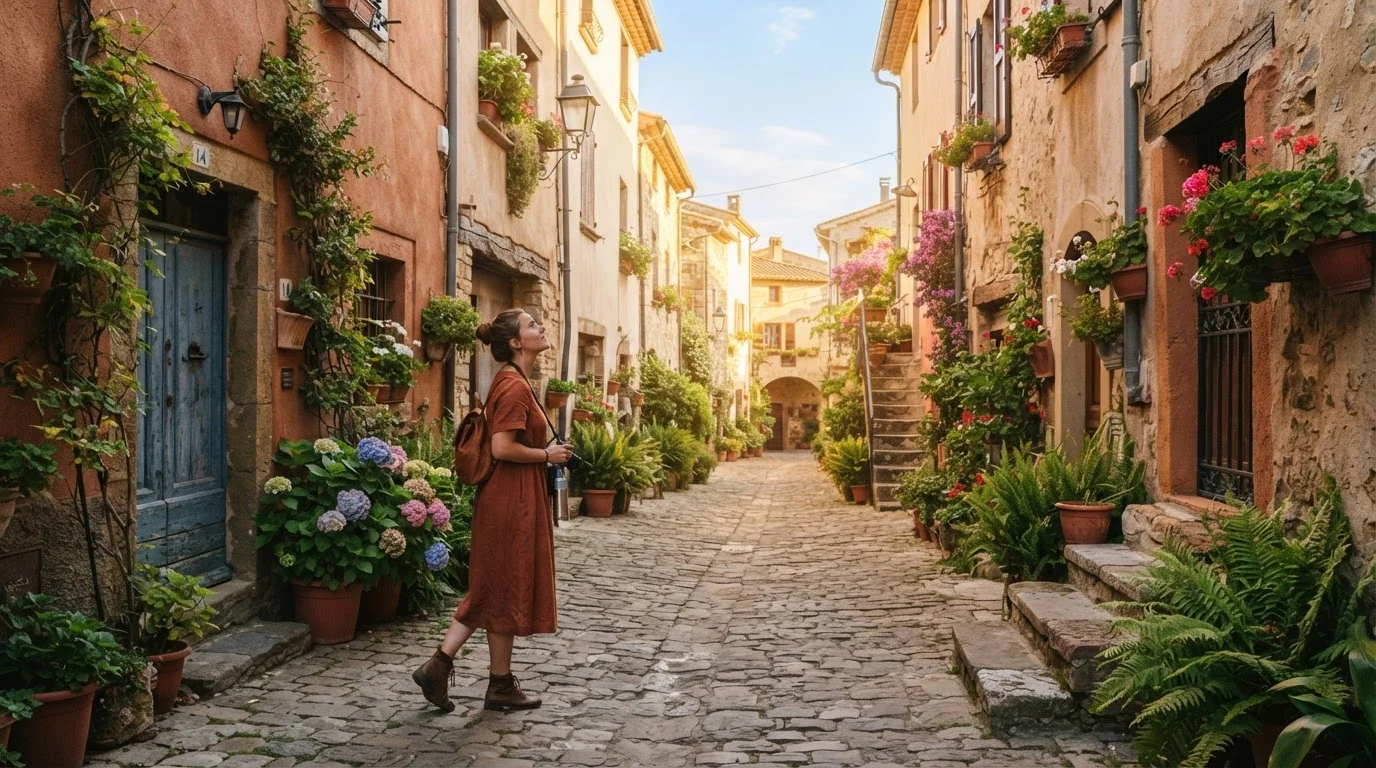
Photo: QuickAdvisor.net editorial
Key Takeaways
- Over-packed itineraries are one of the top reasons travelers miss genuinely memorable experiences.
- Algorithm-driven "top 10" lists steer visitors toward crowded spots that rarely reflect local life.
- Slowing down, wandering without a plan, and talking to locals consistently yields richer travel memories.
- Skipping neighborhood exploration in favor of landmark-hopping leaves the real character of a place unseen.
- Booking every hour in advance eliminates the spontaneity where the best discoveries usually hide.
The Itinerary Trap Most Travelers Walk Straight Into
Ask most people how their last trip went and they'll say something like, "We covered so much ground!" Ask them what they actually remember, and the answer gets hazier. That's the itinerary trap: the relentless push to see more, check more boxes, and photograph more landmarks - leaving almost no room for the moments that travel is actually supposed to be about.
It's an easy trap to fall into. Detailed planning feels responsible. Busy schedules feel productive. But when every hour is pre-assigned, a destination becomes a checklist rather than an experience. If your trip planning could use a structural reset, our first-timer's complete roadmap is a good place to recalibrate from the ground up.
Treating a destination's "top 10" list as a complete travel plan.
Scheduling so tightly that there's no room for the unexpected.
Staying exclusively in tourist-facing areas and never venturing into residential neighborhoods.
Skipping slower, sensory experiences in favor of more sights.
Not talking to anyone outside the hospitality industry.
What You're Actually Missing - and Why It Matters
The "best part" of a destination rarely appears on a highlight reel. It's the neighborhood bakery that's been run by the same family for 40 years. The waterfront park locals use every morning. The tiny museum that tells the story the big institutions gloss over. These things don't trend. They don't get pinned to travel boards. And that's exactly why they're worth finding.
76%
Travelers who want more local cultural experiences
According to Booking.com's Sustainable Travel Report, a large majority of global travelers say they want their trips to include more authentic local cultural experiences rather than standard tourist activities.
2-3 hrs
Time spent at most visited landmarks
Travel behavior research consistently finds that visitors spend surprisingly little time at the headline attractions they traveled hours to reach, yet rarely reallocate that time to less obvious experiences.
Travelers who lean into immersive, experience-focused formats - cooking classes, craft workshops, guided neighborhood walks led by residents - consistently report stronger emotional connections to the places they visit compared to passive sightseeing. That's not a minor upgrade. That's the difference between a trip you remember for a week and one you talk about for years.
For those exploring American cities specifically, the habits outlined in our piece on getting more out of a US city trip - neighborhood selection, pacing, transit strategy - make a meaningful difference in how much of a place you actually absorb. And if you're drawn to cities that don't top every travel list, underappreciated American cities like Tulsa, Spokane, and Providence often deliver exactly the kind of authentic character that over-visited destinations have lost.
Social Media Feeds Are Not Travel Guides
The fix isn't complicated. It's permission: permission to block out an unscheduled afternoon, to follow a street that looks interesting, to sit in a plaza and just watch how a place moves. That's not laziness - that's travel working the way it's supposed to.
The content on this site is for informational purposes only and is not a substitute for professional advice. Always consult a qualified professional for guidance specific to your situation.