
Traveling During Peak Season vs. Off-Season: A Practical Trade-Off Guide

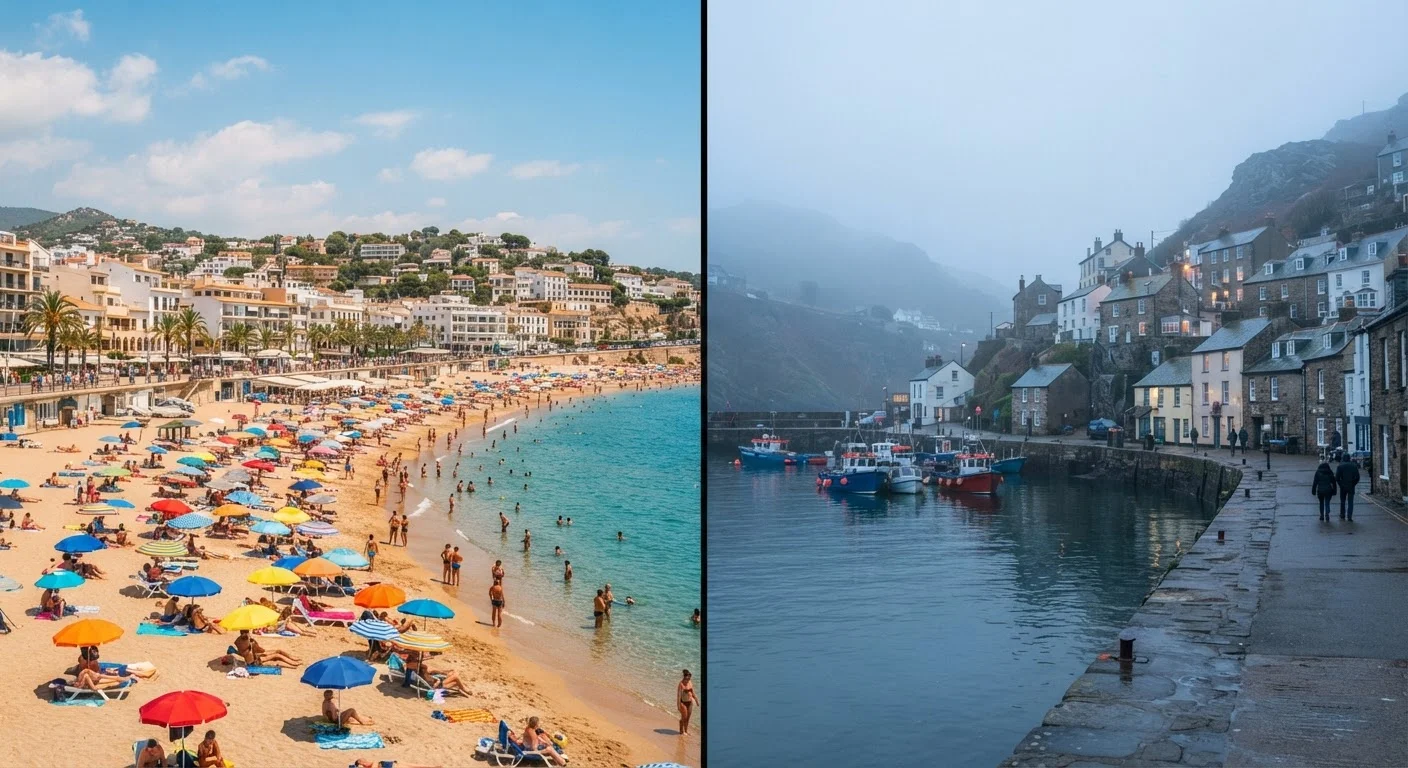
Photo: QuickAdvisor.net editorial
Key Takeaways
- Peak season delivers the best weather and full access, but often at significantly higher prices and heavier crowds.
- Off-season travel can reduce costs and wait times, but some attractions, tours, and restaurants may be closed or reduced.
- Shoulder season - the weeks just before or after peak - often offers the most balanced trade-off for many destinations.
- Your travel priorities (budget, weather tolerance, flexibility) should drive the decision more than habit or assumption.
- Verify entry conditions, operating hours, and advisories with official sources before booking any trip.
What 'Peak Season' Actually Means - and Why It Varies
Peak season isn't a fixed calendar event - it shifts by destination. The Florida Keys' busiest stretch typically runs December through April, when northern travelers flee colder weather. Meanwhile, New England peaks in summer and again during fall foliage. Ski resorts in the Rockies hit their high point mid-winter. What the brochures leave out about the Florida Keys is precisely this kind of seasonality nuance.
For most domestic destinations, peak season aligns with school vacation windows - summer, winter holidays, and spring break. Internationally, it often tracks with school calendars plus climate: think Mediterranean summers or Caribbean winters. Knowing your destination's specific rhythm is the first step toward any smart timing decision.
Off-season, by contrast, is whatever's left - and it's rarely dead. Most destinations experience a genuine low and a softer shoulder period in between. Shoulder season is where many experienced travelers quietly find their sweet spot.
The Real Costs of Traveling at Peak Time
The most immediate peak-season tax is financial. Flights, hotels, and rental cars typically carry meaningful price premiums during high-demand windows. Popular coastal towns and national park gateway communities can see accommodation rates double or more compared to their off-season equivalents. If you're building a realistic trip budget, the Smarter Spending strategies worth keeping in mind include locking in bookings far in advance and staying slightly outside the main tourist core.
Beyond cost, peak season brings logistical friction. Entry queues at major attractions stretch longer. Reservations - for campsites, popular restaurants, even timed-entry permits at places like national parks - may be required weeks or months ahead. When early booking helps vs. when waiting pays off is worth reading if your dates are flexible.
| Criterion | Peak Season | Off-Season |
|---|---|---|
| Accommodation cost | Typically highest | Often significantly lower |
| Crowd levels | Heavy at popular sites | Generally much lighter |
| Weather reliability | Usually best conditions | Variable; research required |
| Attraction availability | Full hours, all options open | Some closures or reduced hours |
| Booking lead time needed | Weeks to months ahead | Often last-minute friendly |
| Local atmosphere | Tourist-heavy, bustling | More local, relaxed vibe |
| Flight availability | More routes, more options | Fewer direct routes possible |
What peak season does deliver, though, is reliability. Weather is typically at its most predictable, operating hours are extended, and the full range of activities is available. For families with school-year constraints or travelers with very specific activity goals, that reliability often justifies the premium.
What Off-Season Travel Actually Looks Like on the Ground
The honest answer: it varies enormously by destination. Some places quiet down gracefully - lower prices, shorter lines, the same core experience minus the shoulder-to-shoulder crowds. Others genuinely shut down: seasonal businesses close, ferry schedules shrink, and some attractions go dark entirely. The real trade-offs of off-season travel covers this candidly.
Alaska is a useful extreme case. The summer window dominates for good reason - infrastructure, daylight, and tour availability converge in ways that simply don't exist in winter. Understanding Alaska's logistics before you land illustrates how dramatically seasonality can shape what a destination even offers.
30-50%
Typical off-season hotel price reduction
Industry analyses consistently show accommodation rates dropping 30-50% in low-demand periods compared to peak windows, though this varies widely by destination and property type.
~3x
Peak vs. off-season visitor volume at major US parks
National Park Service visitation data shows some of the most visited parks - including Great Smoky Mountains and Yellowstone - receive roughly three times as many visitors in summer as in winter months.
4-8 weeks
Typical advance booking lead for peak summer travel
Travel industry booking data generally suggests domestic summer travelers book flights 4-8 weeks ahead on average, with popular routes and dates requiring even more lead time.
Off-season also rewards travelers who prize atmosphere over amenity. Locals are less harried, reservations at popular restaurants open up, and iconic spots feel genuinely accessible. For slower, more observant travel - the kind focused on culture, food, and texture - off-peak timing is often the better match. See our Travel Experiences guides for activity ideas that translate well across seasons.
Making the Call: A Framework for Your Trip
Start with what you actually can't compromise on. If specific activities are non-negotiable - whale watching off the coast, hiking a trail that closes in winter, attending a particular festival - peak season may not be optional. The same applies if you're traveling with school-age children whose schedules are fixed.
If your dates are flexible, map the shoulder season for your destination. For New England in every season, that might mean late May before summer crowds arrive, or early October when foliage begins but before peak color draws heavy traffic. For national parks, it often means targeting weekdays even within peak months.
Consider pairing your timing decision with your itinerary style. Structured, reservation-heavy itineraries suit peak season better - everything is planned, so crowds are managed. Flexible, go-with-the-flow approaches often thrive off-season when spontaneity is more feasible. Our guide to itinerary planning approaches can help you match style to timing.
Finally, always verify current conditions. Operating hours, entry requirements, local advisories, and weather patterns should be confirmed through official sources - tourism boards, national park websites, and government travel advisories - before finalizing any booking. Conditions shift, and no article can substitute for current, authoritative information.
Don't Forget the Shoulder Season
The content on this site is for informational purposes only and is not a substitute for professional advice. Always consult a qualified professional for guidance specific to your situation.