
Certified Pre-Owned vs. Used: What the Distinction Really Means

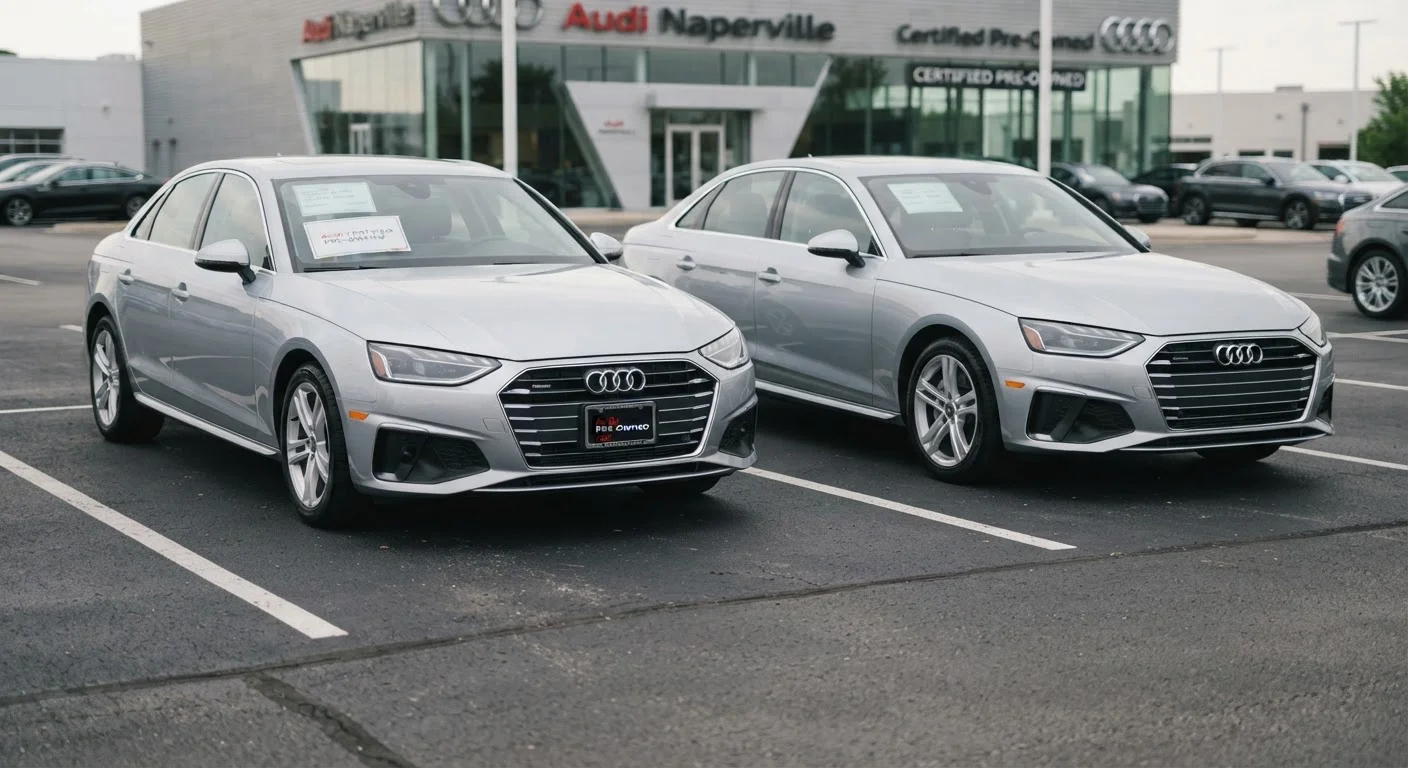
Photo: QuickAdvisor.net editorial
Key Takeaways
- CPO vehicles meet manufacturer-set inspection and eligibility standards; standard used cars have no such requirement.
- CPO programs typically include an extended warranty, but the specific terms vary significantly by manufacturer.
- Standard used vehicles usually cost less upfront, but buyers assume more risk without built-in warranty protection.
- Neither CPO status nor a dealer's assurances replace a vehicle history report or independent pre-purchase inspection.
- CPO programs are offered by franchised dealerships, not independent lots or private sellers.
What 'Certified' Actually Means
The term Certified Pre-Owned is not a generic marketing phrase - it refers to a structured program, typically administered by a vehicle manufacturer, that imposes specific eligibility criteria before a used vehicle can carry the CPO label. Common requirements include an age limit (often five to seven years), a mileage ceiling (frequently under 80,000 miles), and a multi-point inspection process, usually ranging from 100 to 200+ checkpoints depending on the brand.
Vehicles that pass these criteria are often reconditioned to address any identified issues, and they leave the dealership with some form of extended limited warranty. That warranty is the central value proposition: it adds a layer of coverage beyond what the original factory warranty may have remaining.
A standard used vehicle, by contrast, carries no mandated inspection standard or warranty requirement. It could be a well-maintained, low-mileage car - or it could have a complex history. The condition depends entirely on how previous owners maintained it and what a selling dealer, if any, chooses to disclose or repair before resale. See the full lifecycle of vehicle ownership to understand how prior ownership stages affect a car's condition at resale.
| Criterion | Certified Pre-Owned (CPO) | Standard Used Vehicle |
|---|---|---|
| Inspection standard | Manufacturer-defined multi-point checklist | None required; varies by seller |
| Eligibility requirements | Age and mileage limits apply | No restrictions |
| Warranty included | Extended limited warranty (terms vary) | None, unless dealer adds one |
| Where available | Franchised dealerships only | Dealers, auctions, private sellers |
| Typical price | Higher than comparable used | Lower upfront cost |
| Vehicle history report | Often provided, not always comprehensive | Buyer must obtain independently |
| Reconditioning | Required to meet program standards | At seller's discretion |
The CPO Warranty: What It Covers and What It Doesn't
CPO warranties are not uniform. Each manufacturer sets its own terms - coverage periods, powertrain-only versus comprehensive plans, deductible amounts, and transferability rules all vary. Some programs provide a separate powertrain warranty of up to 100,000 miles on top of a shorter bumper-to-bumper plan; others offer more limited coverage.
Key questions to ask about any CPO warranty include: Is the warranty administered by the manufacturer or a third party? What is the deductible per repair visit? Are wear items like brakes and tires excluded? Is the coverage transferable if you sell the vehicle? For a deeper look at reading warranty language critically, the warranty terms decoded guide covers what the fine print often obscures.
"As-Is" Sales: Know What You're Signing
Standard used vehicles sold by dealers may come with a short dealer warranty or a "as-is" designation. The latter means the buyer accepts full responsibility for any repairs from the moment of purchase. Always confirm the warranty status in writing before signing.
Price Premium and Real-World Value
CPO vehicles generally command a higher price than comparable non-certified used vehicles. That premium reflects the inspection process, reconditioning work, and warranty coverage bundled into the sale. Whether that premium represents good value depends on factors specific to each buyer: the vehicle's age and mileage, the strength of the particular CPO program, and how long the buyer plans to keep the car.
For some buyers, the CPO markup exceeds what they would spend on an independent inspection and an aftermarket service contract combined. For others - particularly those who lack the time or confidence to vet a vehicle independently - the structured assurance of a CPO program has genuine utility.
100-200+
Inspection points in typical CPO programs
Manufacturer CPO programs vary widely in scope; some brands publish their full inspection checklists, while others provide only general descriptions of the process.
~80,000 mi
Common CPO mileage eligibility ceiling
Many manufacturer programs cap CPO eligibility around 80,000 miles, though exact thresholds differ by brand and program.
Regardless of which route you take, a vehicle history report remains an essential tool. CPO status does not guarantee a clean history, and some programs do not automatically disqualify vehicles with certain types of prior damage. A history report can surface title issues, odometer discrepancies, and prior accident records that an inspection alone may not reveal.
For buyers considering a standard used vehicle, a qualified mechanic's pre-purchase inspection is one of the most cost-effective steps available to reduce risk before committing to a purchase.
The content on this site is for informational purposes only and is not a substitute for professional advice. Always consult a qualified professional for guidance specific to your situation.