
Private Party Sale vs. Dealership Trade-In: Weighing Your Options

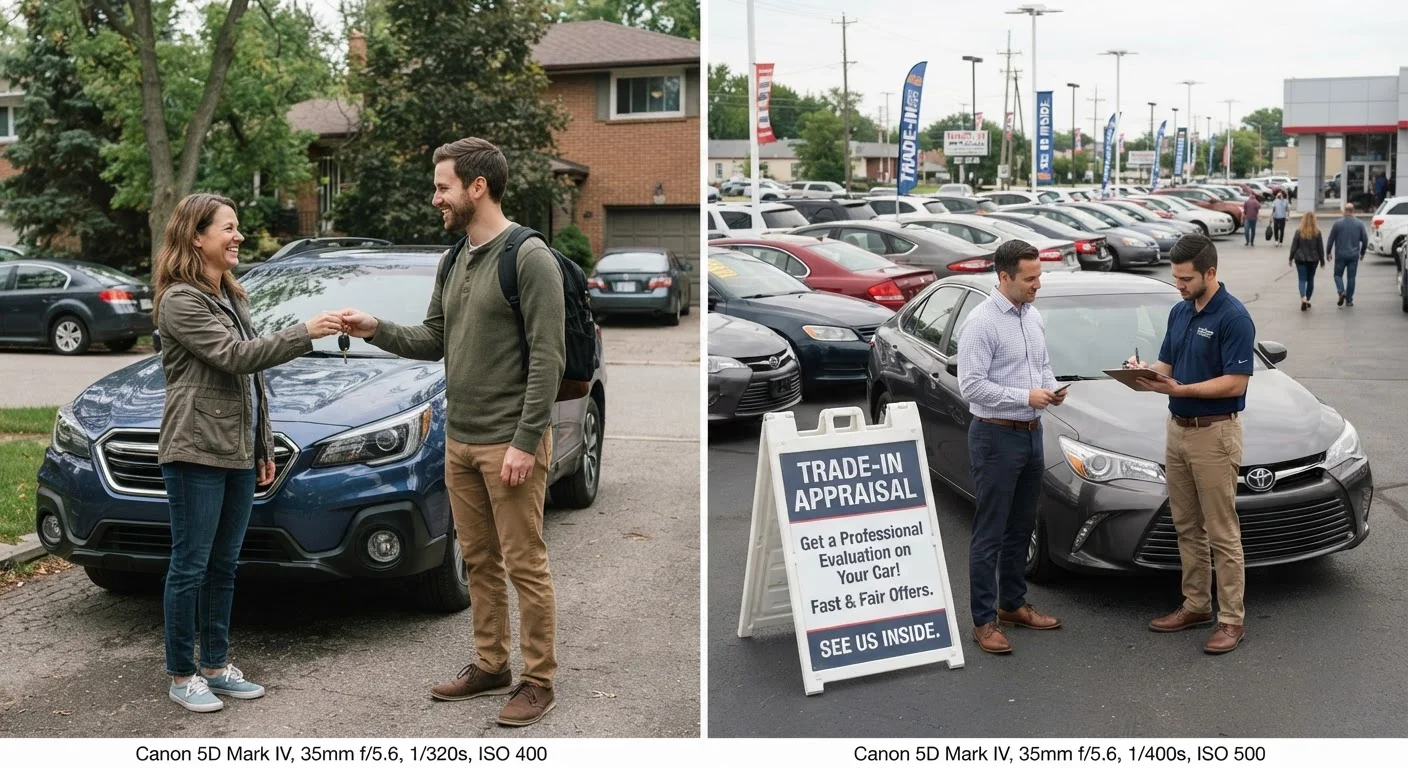
Photo: QuickAdvisor.net editorial
Key Takeaways
- Private party sales typically yield more money but require significantly more time and effort from the seller.
- Dealership trade-ins are faster and simpler, but dealers price in their profit margin on resale.
- Your state's tax rules may affect the net financial difference between the two options.
- The condition of your vehicle and local market demand influence which route is more practical.
- Understanding depreciation helps you set realistic price expectations regardless of which path you choose.
What You Actually Get With Each Option
When it's time to part with a vehicle, most owners face two realistic paths: sell it themselves to a private buyer, or hand it over to a dealership as a trade-in toward a new purchase. Both accomplish the same end goal - getting money or credit for a car you no longer need - but the experience and outcome differ substantially.
A private party sale means you list the car yourself, handle inquiries, arrange test drives, negotiate with individual buyers, and manage the title transfer and payment process. The upside: you can typically ask - and receive - closer to the vehicle's retail market value, since no middleman needs to factor in a resale profit.
A dealership trade-in means the dealer takes your car off your hands, usually as part of a new or used vehicle transaction. It's faster and simpler, but the offer you receive reflects the dealer's need to recondition the car and resell it at a profit. That spread is built into what they offer you. See how depreciation shapes the numbers behind both options in our guide to how depreciation works.
The Financial Gap - and What Affects It
The price difference between a private sale and a trade-in offer varies, but it's rarely trivial. Industry valuation tools such as Kelley Blue Book and Edmunds consistently show a gap between private party value and dealer trade-in value for the same vehicle - often running into the hundreds or low thousands of dollars depending on the make, model, age, and condition.
$1,000-$3,000+
Typical private vs. trade-in value gap
Kelley Blue Book and Edmunds data consistently show trade-in values running meaningfully below private party values for the same vehicle.
Varies by state
Trade-in sales tax offset
Many U.S. states allow buyers to deduct the trade-in value from the taxable purchase price of a new vehicle, which can partially offset the lower trade-in offer.
That said, a few factors can narrow or widen the gap:
- Vehicle condition: A well-maintained car with service records commands stronger private offers. Dealers may discount more aggressively for deferred maintenance or cosmetic issues.
- Local market demand: A truck in a rural area or a fuel-efficient sedan in a city may sell privately at or near asking price. Slow movers take longer and may end up traded in anyway.
- Sales tax offset: In many states, trading in a vehicle reduces the taxable purchase price of your next car. This tax savings can partially or fully close the gap with a private sale's higher payout - worth calculating for your specific state before deciding.
For context on the full ownership picture, the full lifecycle of vehicle ownership covers how selling fits into the broader arc of owning a car.
Time, Effort, and Risk: The Hidden Costs
A private sale can net more money, but it rarely comes free of effort. Sellers typically need to:
- Photograph the vehicle thoroughly and write an accurate, detailed listing
- Field inquiries and filter serious buyers from tire-kickers
- Coordinate test drives, sometimes with strangers
- Negotiate price and handle payment securely (cashier's checks, electronic transfers)
- Complete title transfer paperwork correctly to avoid future liability
That process can take anywhere from a few days to several weeks depending on your market and asking price. There's also exposure to scams - fraudulent payment methods are a documented risk in private vehicle transactions.
Get Multiple Appraisals Before Deciding
Dealership trade-ins eliminate all of that. You bring the car in, receive an appraisal (which you can negotiate or compare across dealers), and the transaction is folded into your next vehicle purchase. If you're planning to buy from a dealership anyway, the trade-in process is usually handled in a single visit. Before that visit, knowing the right questions to ask a dealership can help you navigate the appraisal and purchase process with more confidence.
How to Decide What's Right for You
No formula spits out the right answer automatically, but a few practical questions help frame the decision:
- How much is your time worth?
- If managing a sale over several weeks is genuinely burdensome given your work or family schedule, the convenience of a trade-in has real value even if the dollar difference looks significant on paper.
- What's your vehicle's condition and appeal?
- Clean, low-mileage vehicles in popular categories tend to sell privately with less friction. High-mileage or mechanically compromised vehicles may sit unsold or attract lowball offers, making a trade-in more practical.
- Are you buying your next car from a dealer?
- If yes, factor in your state's trade-in tax credit. In some states this benefit is substantial enough to shift the math in the trade-in's favor even before accounting for convenience.
- Can you handle the paperwork and legal steps correctly?
- Failing to properly transfer a title can leave you liable for parking tickets, accidents, or other issues tied to a car you no longer own. If you're not confident navigating this, a trade-in removes the risk.
If you're also weighing whether to buy or lease your next vehicle, leasing vs. buying explained can help you think through that side of the equation alongside your selling strategy.
| Private Party Sale | Dealership Trade-In | |
|---|---|---|
| Typical financial return | Higher - closer to retail market value | Lower - reflects dealer resale margin |
| Time and effort required | High - listing, inquiries, negotiations, paperwork | Low - single appointment, dealer handles paperwork |
| Speed of transaction | Days to several weeks | Same day or next day |
| Risk exposure | Scam risk, title transfer liability | Minimal - established process with legal protections |
| State sales tax benefit | None - full purchase price taxed on next car | Often reduces taxable amount on next purchase |
| Best vehicle fit | Clean, in-demand vehicles in active markets | Any condition; especially useful for hard-to-sell cars |
The content on this site is for informational purposes only and is not a substitute for professional advice. Always consult a qualified professional for guidance specific to your situation.