
Buying & Owning

Questions Worth Asking at a Dealership Before You Commit

Questions Worth Asking at a Dealership Before You Commit

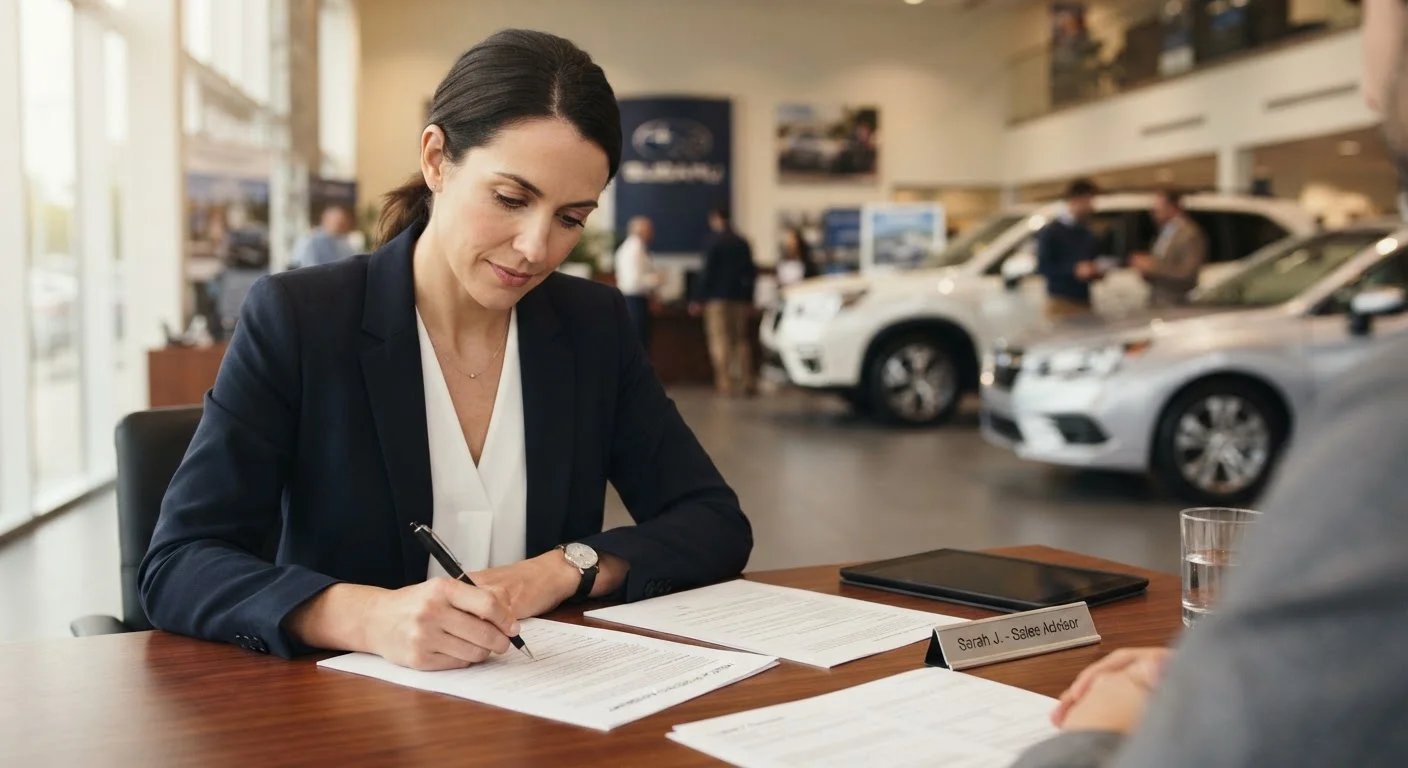
Photo: QuickAdvisor.net editorial

A practical list of questions that help you get clearer answers on price, fees, warranty, and financing before putting pen to paper.

Key Takeaways

  • Understanding the out-the-door price — not just the sticker price — is essential before any commitment.
  • Dealer-added fees and optional add-ons can significantly inflate the final cost of a vehicle.
  • Manufacturer warranties and extended warranties have very different terms, conditions, and value.
  • Financing through a dealer may not always reflect your best available rate — compare before signing.
  • Used vehicles warrant extra scrutiny: ask about history, inspection, and return policies.

Why Preparation Changes the Outcome

Walking into a dealership without a clear list of questions puts you at a structural disadvantage. Sales processes are designed to move quickly, and important details — fees buried in fine print, financing markups, warranty exclusions — can slip by when you're focused on the vehicle itself. A prepared buyer changes that dynamic.

This checklist gives you a framework to slow the process down in the right places. Whether you're buying new or used, financing through the dealer or arriving with outside pre-approval, the questions below are the ones most likely to reveal terms that affect your total cost and long-term ownership experience. Before you visit, it's also worth reviewing what common financing myths tend to trip up buyers — misconceptions about credit scores and dealer rates are especially widespread.

Monthly Payment Focus Can Be Misleading

Salespeople sometimes anchor conversations to monthly payment amounts, which can obscure the total cost of the vehicle. A lower monthly payment stretched over a longer loan term often means you pay significantly more in interest overall. Always evaluate the full loan cost and out-the-door price alongside any payment figure.

Verbal Promises Don't Hold Up

If a salesperson makes a commitment about a feature, repair, discount, or add-on, insist that it be written into the purchase agreement before you sign. Verbal assurances are difficult to enforce and may not reflect what appears in the final paperwork.

What to Ask — And When to Ask It

Timing matters as much as content. Questions about price and fees belong at the beginning of the conversation, before any emotional investment in a specific vehicle builds. Trade-in valuation should be discussed separately from the purchase price to keep both transactions transparent. Financing and warranty questions belong near the end — but before you move to the finance office, where add-ons are frequently presented under time pressure.

For used vehicles, due diligence is especially critical. Request the VIN early so you can cross-reference a vehicle history report independently. Don't rely solely on what the dealership provides. And if the vehicle passes your initial review, consider scheduling a pre-purchase inspection with an independent mechanic before committing — a test drive alone won't surface hidden mechanical issues.

Required

Vehicle History Report Service (e.g., via VIN lookup)

Verify ownership history, accident records, title status, and odometer readings on any used vehicle.

Required

Independent Pre-Purchase Inspection

Have a qualified mechanic evaluate the vehicle's mechanical and structural condition before you commit.

Required

Loan Amortization Calculator

Calculate total interest paid and monthly payments for any financing offer so you can compare terms accurately.

Optional

State DMV Fee Schedule

Verify which taxes, title, and registration fees are legally mandated in your state versus discretionary dealer charges.

The Full Checklist

Work through the groups below in order. The pricing and fees section should anchor every conversation — everything else builds from the out-the-door number. If you're also weighing whether to trade in your current vehicle or sell it privately, the trade-in vs. private sale comparison can help you set realistic expectations before the appraisal conversation.

On warranties: manufacturer coverage and dealer-offered extended contracts are very different products. Review how extended warranties compare to manufacturer warranties so you can evaluate any offer made in the finance office with clear context.

Pricing & Fees

Ask for the full out-the-door price in writing, including all taxes, title, and registration fees. Must
Request an itemized breakdown of every fee on the purchase agreement — question any line you don't recognize. Must
Ask which dealer-installed add-ons (such as paint protection or fabric treatment) are included and whether they can be declined. Must
Confirm whether any advertised price requires specific financing or trade-in conditions to qualify. Must
Ask if the documentation or processing fee is negotiable or capped by state law in your area. Should

Financing

Ask what APR you qualify for and whether that rate is a buy rate (direct from lender) or a marked-up dealer rate. Must
Request the total amount you will pay over the life of the loan, not just the monthly payment. Must
Ask whether there are any prepayment penalties if you pay off the loan early. Should
Confirm how long the financing offer is valid and whether the rate is locked in at signing. Should

Warranty & Coverage

Ask exactly what the manufacturer warranty covers, for how long, and whether it transfers if you sell the vehicle. Must
If an extended warranty or service contract is offered, ask who backs it — the manufacturer, dealer, or a third party. Must
Request a copy of the warranty document and read the exclusions before agreeing to any coverage. Must
Ask whether the extended warranty is cancelable and whether you receive a prorated refund if you cancel. Should

Used Vehicle Due Diligence

Ask for the vehicle's full service history and any documentation of past repairs. Must
Request the vehicle identification number (VIN) so you can review a third-party history report independently. Must
Ask whether the vehicle has ever been in an accident, declared a total loss, or had a salvage or rebuilt title. Must
Confirm whether the dealership will allow an independent pre-purchase inspection by a mechanic of your choosing. Must
Ask whether a certified pre-owned (CPO) designation follows the manufacturer's official program or is dealer-defined. Should

Trade-In & Final Steps

Ask for the trade-in appraisal in writing before discussing the new vehicle purchase price — keep the negotiations separate. Must
Ask whether any portion of the deal changes if you arrange your own outside financing. Should
Confirm the delivery timeline, what condition the vehicle will be in at pickup, and what happens if something changes between signing and delivery. Should
Ask whether there is a return or exchange policy, and if so, get the full terms in writing. Nice to have

Never Sign Incomplete or Blank Documents

Ensure every field in the purchase agreement is filled in before you sign — including the final price, financing rate, and any promised extras. Signing a document with blank fields can create legal exposure and leaves room for terms to be altered after the fact. Take your time reviewing every page; a dealership that pressures you to skip this step is a red flag.

Automotive Editorial Team

QuickAdvisor.net

Automotive Editorial Team is the collective byline for our editorial team and contributor network. Articles published under this byline or an editorial pen name are researched, written, and reviewed according to our editorial standards for clarity, consistency, and independence before publication.

Car MaintenanceBuying & OwningDriving & Safety
View author profile

The content on this site is for informational purposes only and is not a substitute for professional advice. Always consult a qualified professional for guidance specific to your situation.