
How Depreciation Works and Why It Shapes Every Car Purchase

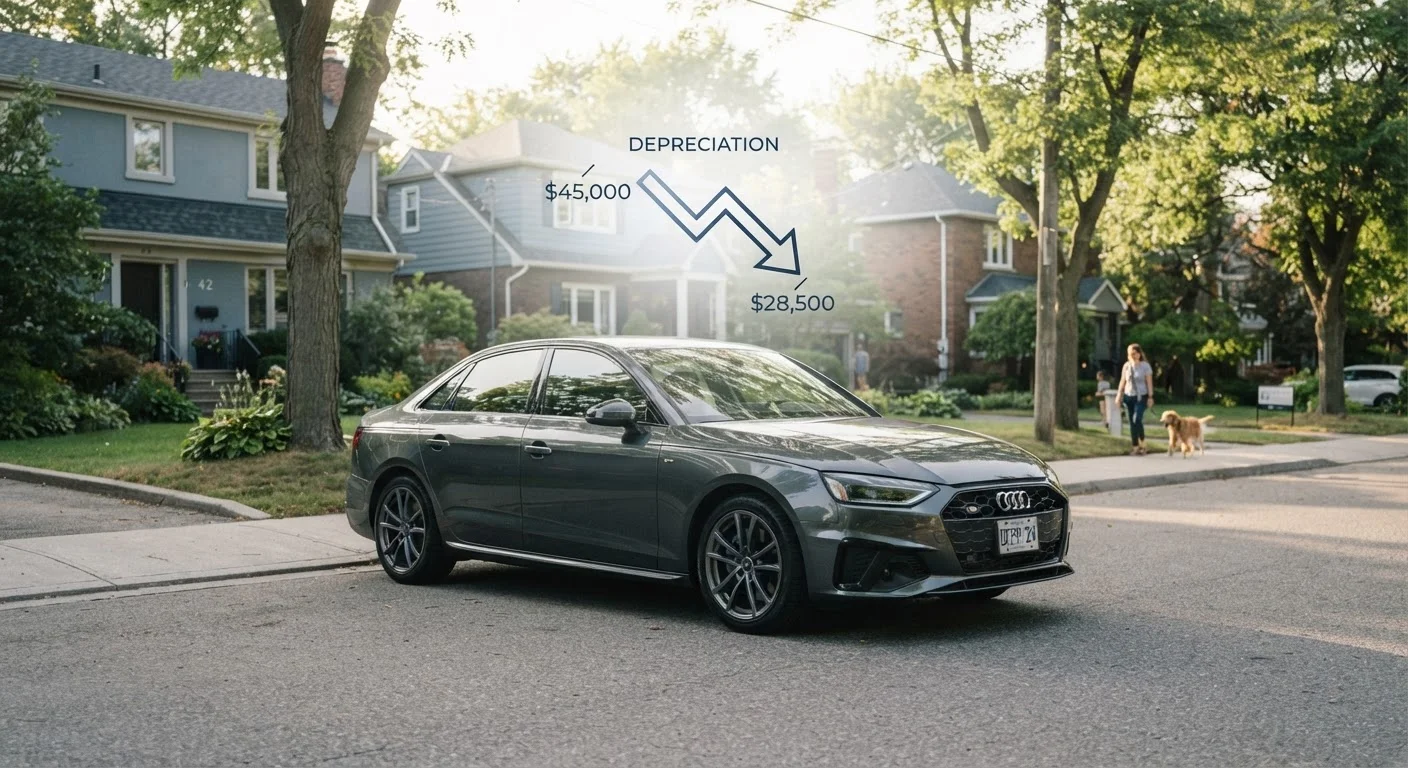
Photo: QuickAdvisor.net editorial
Key Takeaways
- New vehicles typically lose 15-25% of their value in the first year alone.
- Depreciation is usually the largest single cost of car ownership, even though it's invisible on any bill.
- Mileage, condition, brand reputation, and market demand all affect how fast a vehicle depreciates.
- Buying a lightly used vehicle lets someone else absorb the steepest part of the depreciation curve.
- Understanding depreciation helps you make smarter decisions when buying, leasing, or selling a vehicle.
Why Depreciation Is the Cost You Never Get a Bill For
When most people calculate what it costs to own a car, they think about gas, insurance, and maintenance. What rarely appears on that mental ledger is depreciation - and yet for many drivers, it outweighs all those other costs combined over a typical ownership period.
Depreciation is simply the gap between what you paid for a vehicle and what it's worth now. If you bought a car for $35,000 and could sell it today for $22,000, you've absorbed $13,000 in depreciation. That money is gone, even though you never wrote a single check for it. Understanding this invisible cost is foundational to making sound decisions across every stage of vehicle ownership.
15-25%
Value lost by a new car in year one
Industry data consistently shows new vehicles shed a significant share of their value within the first 12 months, with the largest single drop occurring at the point of sale.
~50%
Typical value remaining after five years
Many consumer vehicles retain roughly half their original purchase price after five years of average use, though this varies considerably by make, model, and condition.
#1
Largest cost of ownership for many drivers
When calculated over a full ownership period, depreciation frequently exceeds fuel, insurance, and maintenance costs combined for new vehicle buyers.
The Depreciation Curve: When Value Drops Fastest
Depreciation isn't linear. It follows a curve that drops steeply at first and then flattens out. A brand-new vehicle can lose 15-25% of its value in the first year. By the end of five years, many vehicles have lost 50-60% of their original purchase price.
The sharpest drop happens at delivery. The instant a new car is titled and registered, it transitions from "new" to "used" in the eyes of the market - and used cars command less than their new equivalents, even if they have zero miles. After that initial hit, depreciation slows but continues steadily. This curve is why many financial analysts describe buying new as paying a premium for the experience of being first - not for the transportation itself.
What Drives Depreciation Rates
Not all vehicles depreciate at the same pace. Several factors shape how quickly a specific car loses value:
- Mileage: Higher mileage signals more wear. Vehicles well above the conventional 12,000-15,000 miles-per-year benchmark typically depreciate faster.
- Condition and maintenance history: Well-documented service records and clean vehicle history reports preserve value; accident history and deferred maintenance erode it.
- Brand and model reputation: Vehicles with strong reliability reputations and broad consumer demand tend to hold value better over time.
- Market supply and demand: Economic conditions, fuel prices, and consumer preferences affect what buyers are willing to pay. A shift in demand for a vehicle category can accelerate depreciation for the whole segment.
- Trim and features: Popular configurations and in-demand features typically depreciate more slowly than unusual trims that are hard to resell.
Look Up Residual Values Before You Commit
How Depreciation Shapes Buying and Leasing Decisions
Understanding depreciation changes how you evaluate your options. When you buy a used vehicle that's two or three years old, the original owner has absorbed the steepest part of the depreciation curve. You benefit from a lower purchase price on a vehicle that still has substantial useful life remaining - a trade-off worth weighing carefully against the ongoing costs that accumulate over ownership.
For leasing, depreciation is the core calculation. Monthly lease payments are primarily structured around the projected depreciation during the lease term. Vehicles with strong residual values - meaning they're expected to hold a higher percentage of their original price - produce lower lease payments because you're financing less value loss. This is why the leasing vs. buying decision is so closely tied to how a specific vehicle depreciates.
Depreciation When You Sell or Trade In
When it's time to move on from a vehicle, depreciation determines how much equity - if any - you've retained. Sellers who owe more on a loan than the car is currently worth are said to be "underwater" or have negative equity, a direct consequence of depreciation outpacing loan paydown.
Whether you're selling privately or trading in at a dealership, knowing your vehicle's current market value relative to what you originally paid helps you set realistic expectations. Resources like published market guides give a data-backed starting point for understanding where your car sits on the depreciation curve. For a practical look at the trade-offs involved, see our overview of private party sales vs. dealership trade-ins.
Depreciation also belongs in any honest total cost of ownership analysis. When comparing a lower-priced vehicle to a pricier alternative, the vehicle that holds its value better may cost less over the full ownership period once depreciation is factored in alongside fuel, maintenance, and insurance. That kind of long-view thinking is explored in more depth in our guide to longevity versus low upfront cost.
Frequently Asked Questions
The content on this site is for informational purposes only and is not a substitute for professional advice. Always consult a qualified professional for guidance specific to your situation.