
First-Time Car Owner's Maintenance Primer

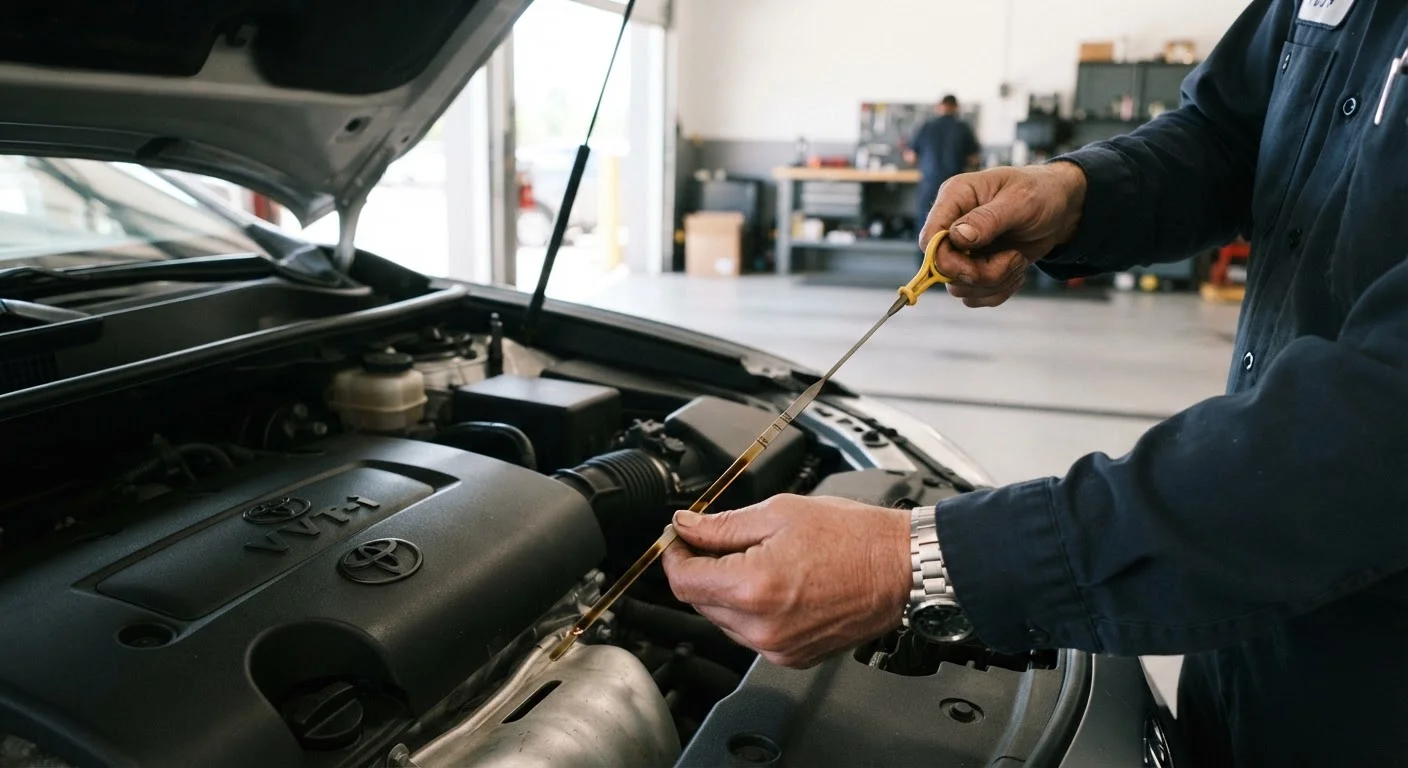
Photo: QuickAdvisor.net editorial
Key Takeaways
- Your owner's manual is the single most reliable source for your vehicle's specific maintenance intervals.
- Checking fluid levels monthly takes minutes but can prevent costly repairs down the road.
- Tires, brakes, and air filters are the three systems most commonly neglected by first-time owners.
- Keeping a written maintenance log builds vehicle history and supports resale value.
- Many basic checks are safe for owners to perform; complex repairs generally require a qualified mechanic.
Why Maintenance Matters from Day One
Owning a car for the first time is exciting - but it comes with responsibilities that start the moment you drive off the lot. Neglecting routine maintenance is the most common and avoidable mistake new owners make. Small oversights, like skipping an oil change or ignoring a warning light, can quietly compound into expensive mechanical failures.
Routine maintenance serves three practical purposes: it keeps your vehicle running safely, extends its useful life, and preserves its value. A well-maintained car is also far less likely to leave you stranded. For a deeper understanding of what safe driving habits look like beyond the garage, the Driving & Safety hub is a useful companion resource.
Start With Your Owner's Manual
Essential Fluids Every Owner Should Know
Your car relies on several fluids to function properly. Learning to check and top them off is one of the most valuable skills a new owner can develop.
Engine oil viscosity
A measure of how thick or thin oil is at different temperatures. Your owner's manual specifies the correct viscosity grade (e.g., 5W-30) for your engine.
PSI
Pounds per square inch - the unit used to measure tire pressure. Keeping tires at the correct PSI is essential for safety and fuel efficiency.
Coolant
A liquid mixture (usually antifreeze and water) that circulates through the engine to prevent it from overheating or freezing in cold temperatures.
Service interval
The mileage or time period after which a specific maintenance task should be performed, as recommended by the vehicle manufacturer.
Brake pad wear indicator
A small metal tab built into brake pads that produces a squealing sound when the pad has worn thin enough to need replacement.
Cabin air filter
A filter that cleans the air entering your car's interior through the heating and air conditioning system. It is separate from the engine air filter.
- Engine oil lubricates moving parts and prevents friction damage. Check it monthly using the dipstick when the engine is cold.
- Coolant (antifreeze) regulates engine temperature. Inspect the reservoir - never open a hot radiator cap.
- Brake fluid transfers pedal pressure to your brakes. It lives in a small reservoir under the hood and should remain within the marked range.
- Transmission fluid keeps gear shifts smooth. Many modern vehicles have sealed transmissions; check your manual to know whether yours is serviceable.
- Power steering fluid (on vehicles without electric steering) keeps steering responsive. If steering feels stiff or noisy, fluid may be low.
Always use the fluid grades and specifications listed in your owner's manual. Using the wrong type can cause damage. See our guide to reading your owner's manual to get the most from this often-overlooked resource.
Tires, Brakes, and Filters: The Big Three
Beyond fluids, three systems deserve consistent attention from every first-time owner.
Tires
Check tire pressure monthly - underinflated tires reduce fuel efficiency, wear unevenly, and can compromise handling. The correct pressure (measured in PSI) is listed on a sticker inside the driver's door jamb, not on the tire sidewall. Inspect tread depth visually and rotate tires as recommended in your manual, typically every 5,000 to 7,500 miles.
Brakes
Brake pads wear down gradually and need periodic inspection. Grinding or squealing noises during braking, a pulsing pedal, or increased stopping distances are all signals that brakes need professional attention. Never delay brake inspections - braking performance is a direct safety concern.
Air Filters
Your engine relies on a clean air filter to breathe properly. A clogged filter reduces performance and fuel economy. Most engine air filters are straightforward to visually inspect; replacement intervals typically fall between 15,000 and 30,000 miles but vary by driving conditions and vehicle model. Your car's maintenance schedule will specify the recommended interval for your vehicle.
Building Your Service Routine
The most reliable maintenance habit is a consistent schedule tied to mileage and time - not just how the car feels. Vehicles often show no obvious symptoms before a problem becomes serious, which is why proactive service matters.
Start by reading your owner's manual cover to cover. It contains manufacturer-specified intervals for every major service item - from oil changes to timing belt replacement. These intervals are not generic suggestions; they are engineered recommendations for your specific vehicle.
Next, keep a written maintenance log. Record every service: the date, mileage, what was done, and who performed the work. This log becomes your car's verified history. As our article on keeping a maintenance log explains, a documented service record can meaningfully support your vehicle's resale value. For an overview of the full Buying & Owning landscape, that hub covers everything from purchase decisions to long-term ownership.
Finally, adjust your routine seasonally. Extreme heat stresses cooling systems; extreme cold taxes batteries and tires. See our seasonal car care guide for what to inspect before each season.
When to DIY and When to Call a Mechanic
Some maintenance tasks are genuinely accessible to attentive first-time owners. Checking fluid levels, replacing wiper blades, swapping cabin air filters, and monitoring tire pressure require no special tools and carry low risk when performed carefully.
Other tasks are a different matter. Brake system work, suspension repairs, electrical diagnostics, and anything involving the fuel system carry real injury risk and can cause further damage if performed incorrectly. These jobs are best left to a qualified mechanic.
Don't Ignore Dashboard Warning Lights
A useful rule: if a task requires lifting the vehicle off the ground or disconnecting electrical components, get professional guidance first. Our detailed breakdown of DIY car maintenance vs. taking it to a shop walks through this decision in depth, so you can approach each job with realistic expectations. Understanding your car's battery, alternator, and starter system is also worthwhile - these components are commonly misunderstood and frequently cited in breakdown calls.
Frequently Asked Questions
The content on this site is for informational purposes only and is not a substitute for professional advice. Always consult a qualified professional for guidance specific to your situation.