
Oil Change Myths That Keep Costing Drivers Money

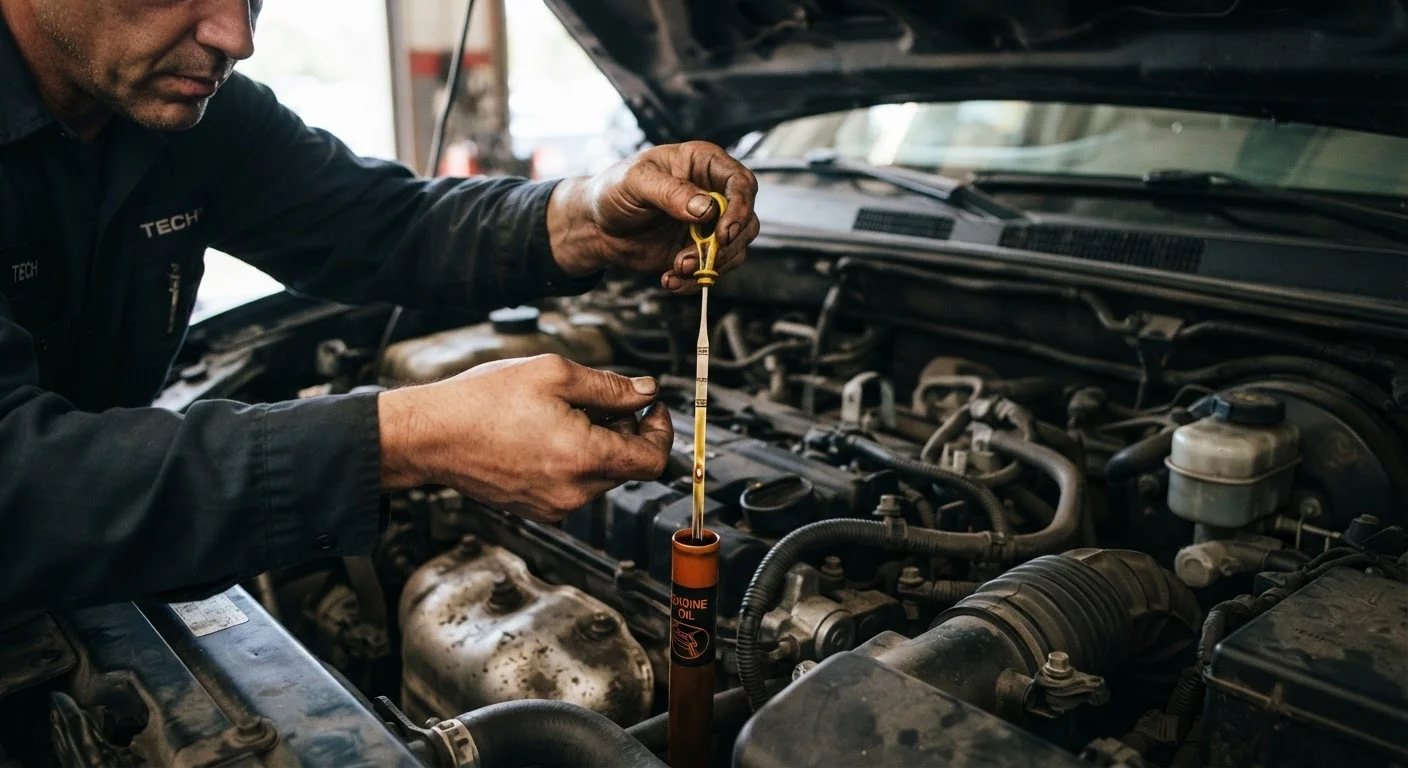
Photo: QuickAdvisor.net editorial
Key Takeaways
- The 3,000-mile oil change rule is outdated - most modern vehicles can go 5,000 to 10,000+ miles between changes.
- Dark oil color alone doesn't mean the oil is spent; that appearance is normal and expected.
- Your owner's manual is the single most reliable guide for oil change intervals and oil type.
- Switching between synthetic and conventional oil will not harm your engine.
- Oil life monitoring systems use real driving data and are generally more accurate than mileage-only rules.
Why Oil Change Myths Persist
Few maintenance tasks generate more confusion than the oil change. Decades of marketing campaigns, well-meaning advice from family, and outdated shop recommendations have layered myths on top of myths. The result: many drivers are spending money on service their vehicles don't yet need - or, in some cases, delaying changes in ways that actually do cause harm.
The antidote is straightforward: trust your owner's manual and understand what modern oils are actually capable of. The myth-busting below draws on established automotive engineering knowledge and manufacturer guidelines, not anecdote.
Myth
You must change your oil every 3,000 miles - no exceptions.
Fact
This rule originated decades ago for older engines and conventional oil formulations. Most modern vehicles, especially those using full synthetic oil, can safely go 5,000 to 10,000 miles or more between changes.
The 3,000-mile guideline was relevant when engine machining tolerances were looser and oil chemistry was less advanced. Today's engines are built to tighter specifications, and modern motor oils - particularly full synthetics - are engineered to maintain their protective properties far longer. Following the 3,000-mile rule on a current vehicle doesn't protect your engine; it primarily generates unnecessary cost and waste. Always defer to your owner's manual, which reflects your specific engine's engineering requirements.
Myth
Dark oil means it's dirty and must be changed immediately.
Fact
Oil darkens quickly and naturally as it does its job - absorbing combustion byproducts and suspended particles. Color alone is not a reliable indicator that an oil change is due.
Modern detergent additives in motor oil are specifically formulated to hold contaminants in suspension and prevent them from depositing on engine surfaces. That darkening you see on the dipstick is evidence the oil is working as designed, not that it has failed. Milky or foamy oil, on the other hand, can signal coolant contamination and warrants immediate attention from a qualified mechanic. For routine interval decisions, stick to the manufacturer's mileage or time-based schedule rather than visual color checks.
Myth
Switching from conventional to synthetic oil will cause leaks in older engines.
Fact
Modern synthetic oils are compatible with the seals and gaskets used in virtually all current and recent engines. Switching formulations does not cause leaks.
This myth likely traces back to early synthetic formulations, which in some cases were less compatible with certain older seal materials. Contemporary synthetic oils are engineered with seal-conditioning additives and are widely considered safe for use in both modern and older engines. If an engine already has existing seal deterioration, that deterioration - not a synthetic oil switch - is the underlying problem. When in doubt about compatibility for a high-mileage or classic vehicle, consult the owner's manual or a certified mechanic.
Myth
Oil life monitoring systems are just guesswork - you can't trust them.
Fact
Oil life monitoring systems use real-time data including engine temperature, RPM, and load cycles to calculate oil degradation, making them more accurate than fixed-mileage rules for most drivers.
Algorithm-based oil life monitors don't simply count miles. They factor in how hard the engine is actually working - a driver who frequently tows heavy loads or takes many short cold-weather trips will see the monitor reflect that stress. These systems were developed and validated by the same engineers who designed the engines, and major automakers have stood behind them for well over two decades. Ignoring the monitor in favor of an arbitrary mileage rule can mean changing oil unnecessarily or, if you distrust the monitor and ignore it, potentially running oil past its effective service life.
Myth
You should change your oil before a long road trip, regardless of mileage.
Fact
Highway driving is actually among the least demanding conditions for engine oil. If your oil is not near its change interval, an early change ahead of a road trip is generally unnecessary.
Stop-and-go city driving, frequent short trips (where the engine never fully warms up), towing, and extreme temperatures are the conditions that accelerate oil degradation. Sustained highway cruising at moderate speeds - the definition of most road trips - is comparatively gentle on oil. Unless your change is genuinely due based on your manufacturer's schedule, an early change won't provide meaningful additional protection and simply adds cost.
Reading the Evidence on Oil Intervals
One consistent finding across manufacturer guidance is that interval recommendations have lengthened significantly as engine tolerances improved and oil chemistry advanced. Many automakers now specify intervals of 7,500 to 10,000 miles for conventional oil and up to 15,000 miles for full synthetic under normal driving conditions. The full picture on extended oil change intervals is worth understanding before you decide what schedule fits your driving habits.
7,500-10,000 mi
Typical modern oil change interval
Most major automakers specify intervals of 7,500 to 10,000 miles for conventional oil and up to 15,000 miles for full synthetic under normal driving conditions.
~$100/yr
Estimated overspend following the 3,000-mile rule
Drivers who change oil every 3,000 miles when their vehicle calls for 7,500 or more may pay for one to two unnecessary changes per year, depending on service costs in their area.
If you want to go deeper on which oil formulation is right for your engine, engine oil types and what your car actually needs breaks down viscosity grades, synthetic vs. conventional options, and how to read manufacturer specs. And if you've ever wondered what skipping scheduled maintenance actually does over time, skipping scheduled maintenance and what happens to your engine covers the cumulative damage in detail.
The content on this site is for informational purposes only and is not a substitute for professional advice. Always consult a qualified professional for guidance specific to your situation.