
The Tradeoffs of Extended Oil Change Intervals

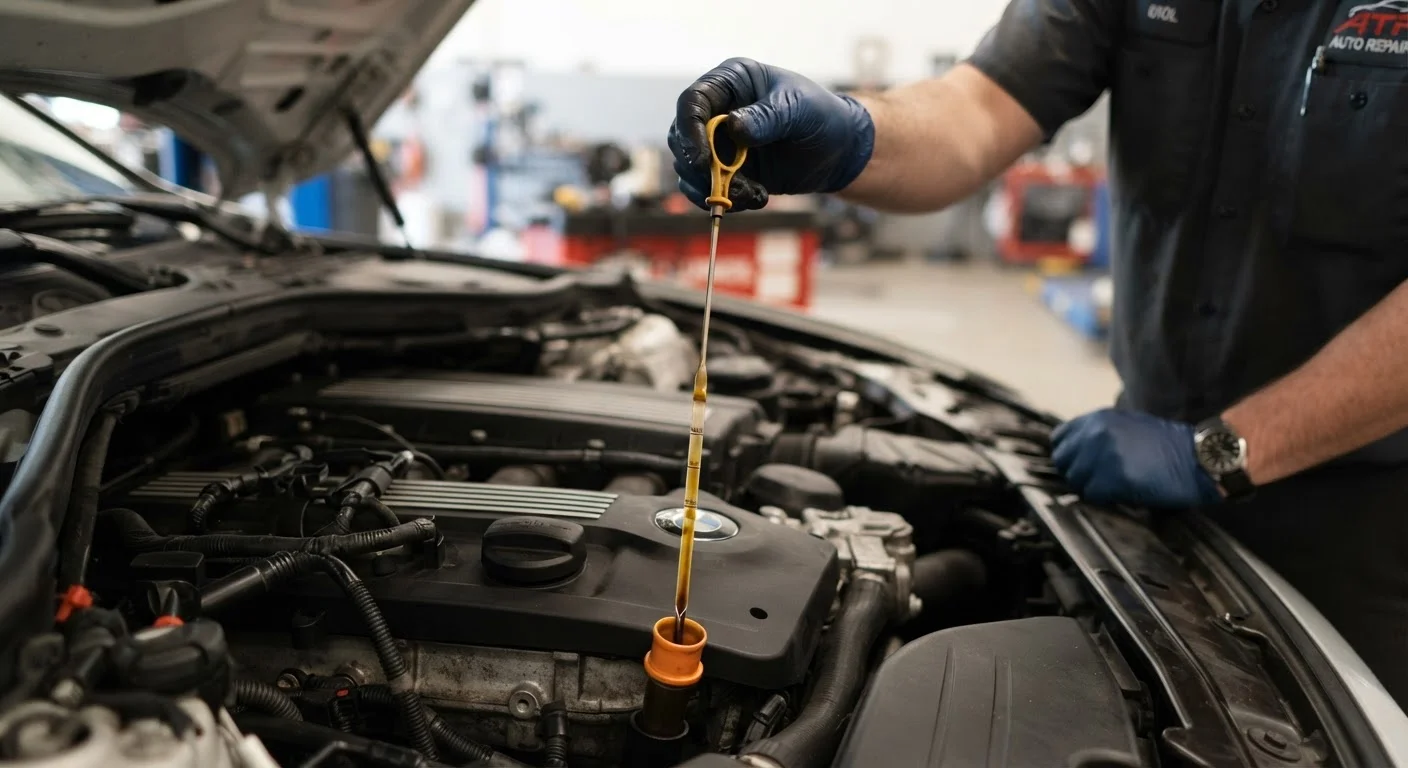
Photo: QuickAdvisor.net editorial
Key Takeaways
- Modern synthetic oils and oil life monitoring systems have made 3,000-mile changes unnecessary for many vehicles.
- Driving conditions - not just mileage - determine how quickly oil degrades and when it should be changed.
- Extending intervals beyond manufacturer recommendations can void warranties and accelerate engine wear.
- Your owner's manual remains the most reliable guide for the right oil change schedule for your specific vehicle.
Synthetic oil genuinely supports longer service life
Full synthetic motor oil resists oxidation and thermal breakdown significantly better than conventional oil, making extended intervals chemically viable for many engines under normal conditions.
Reduces overall cost of routine maintenance
Fewer oil changes per year translate to direct savings on parts and labor, particularly for drivers who cover high mileage primarily on highways.
Oil life monitors provide data-driven guidance
Modern onboard monitoring systems calculate remaining oil life based on actual driving behavior, removing guesswork and preventing unnecessary early changes.
Lower environmental impact from less used oil
Stretching oil changes responsibly reduces the volume of used motor oil generated, which must be collected and recycled to avoid environmental contamination.
Degraded oil accelerates engine wear over time
As oil ages, its protective additives break down and its ability to suspend contaminants diminishes, increasing friction and wear on critical engine components like bearings and camshafts.
Driving conditions can shorten safe intervals significantly
Stop-and-go driving, towing, extreme temperatures, and short cold trips all degrade oil faster - meaning the same interval that's safe for one driver can be harmful for another.
May void powertrain warranty if intervals are exceeded
Most manufacturers require documented adherence to specified maintenance schedules; pushing beyond stated oil change intervals without manufacturer approval can jeopardize warranty coverage.
Oil life monitors are algorithms, not chemical sensors
These systems estimate oil condition based on engine operating data - they do not directly measure oil chemistry, and can miss certain types of contamination or degradation.
Older or high-mileage engines have different needs
Engines with worn seals, higher oil consumption, or accumulated deposits may require more frequent changes regardless of oil type, as compromised components stress the oil faster.
Why Oil Change Intervals Have Changed
For decades, the 3,000-mile oil change was treated as gospel. Today, that rule is widely considered outdated for most modern vehicles. Advances in engine design, oil refining technology, and onboard diagnostics have fundamentally changed what's realistic - and what's necessary.
Full synthetic motor oils, which now come factory-filled in many new vehicles, are engineered to resist breakdown far longer than conventional oils. At the same time, many manufacturers have extended their recommended intervals to anywhere from 5,000 to 10,000 miles - or even longer in some cases - under normal driving conditions. Some vehicles use an oil life monitoring system that calculates degradation based on actual driving data rather than a fixed mileage count.
Understanding this shift matters because it affects real decisions: how often you spend money on services, whether your warranty stays intact, and how long your engine lasts. See how common oil change myths may still be shaping your habits in ways that aren't supported by evidence.
The Case For Stretching Oil Change Intervals
Synthetic oil genuinely supports longer service life
Full synthetic motor oil resists oxidation and thermal breakdown significantly better than conventional oil, making extended intervals chemically viable for many engines under normal conditions.
Reduces overall cost of routine maintenance
Fewer oil changes per year translate to direct savings on parts and labor, particularly for drivers who cover high mileage primarily on highways.
Oil life monitors provide data-driven guidance
Modern onboard monitoring systems calculate remaining oil life based on actual driving behavior, removing guesswork and preventing unnecessary early changes.
Lower environmental impact from less used oil
Stretching oil changes responsibly reduces the volume of used motor oil generated, which must be collected and recycled to avoid environmental contamination.
The strongest argument for extended intervals rests on chemistry and engineering: synthetic oil genuinely lasts longer. Unlike conventional petroleum-based oil, full synthetic is more resistant to thermal breakdown, oxidation, and sludge formation. When paired with a modern engine and clean driving conditions, it can perform well beyond what older oil-change schedules were designed around.
There's also a cost-of-ownership argument. Fewer oil changes mean fewer service visits, less oil consumption, and less used oil going into the waste stream. For high-mileage commuters driving primarily highway miles - one of the easier conditions for oil - longer intervals may be entirely appropriate.
The Risks of Going Too Long
Degraded oil accelerates engine wear over time
As oil ages, its protective additives break down and its ability to suspend contaminants diminishes, increasing friction and wear on critical engine components like bearings and camshafts.
Driving conditions can shorten safe intervals significantly
Stop-and-go driving, towing, extreme temperatures, and short cold trips all degrade oil faster - meaning the same interval that's safe for one driver can be harmful for another.
May void powertrain warranty if intervals are exceeded
Most manufacturers require documented adherence to specified maintenance schedules; pushing beyond stated oil change intervals without manufacturer approval can jeopardize warranty coverage.
Oil life monitors are algorithms, not chemical sensors
These systems estimate oil condition based on engine operating data - they do not directly measure oil chemistry, and can miss certain types of contamination or degradation.
Older or high-mileage engines have different needs
Engines with worn seals, higher oil consumption, or accumulated deposits may require more frequent changes regardless of oil type, as compromised components stress the oil faster.
The flip side is real. Oil doesn't just lubricate - it also cleans, cools, and protects metal components under intense pressure and heat. As oil ages, its additives deplete, viscosity changes, and its ability to carry away contaminants diminishes. Push it far enough and you risk accelerated wear on bearings, camshafts, and cylinder walls.
Driving conditions compound this. Short trips, stop-and-go traffic, extreme temperatures, towing, and high-load driving all degrade oil faster than steady highway cruising. A driver doing mostly city driving in a hot climate may need oil changes at half the interval of someone covering highway miles in moderate weather - even with the same oil type.
Warranty and Documentation Matter
Warranty considerations are also at stake. Most manufacturers require oil changes within specified intervals as a condition of keeping the powertrain warranty valid. Pushing past those intervals without documented justification - such as an oil life monitor clearly indicating remaining life - can create gaps in your coverage. For more on how warranties interact with maintenance obligations, see how extended warranties compare to manufacturer coverage.
For a detailed look at what cumulative neglect does to an engine over time, skipping scheduled maintenance carries compounding consequences that go well beyond a single oil change.
How to Find the Right Interval for Your Vehicle
The most reliable source is one most drivers overlook: the owner's manual. Manufacturer recommendations are specific to your engine type, oil specification, and expected operating conditions. Your owner's manual is the most underused maintenance tool available to you - and the intervals inside it are the baseline you should work from, not marketing copy from a quick-lube chain.
5,000-10,000 mi
Typical manufacturer-recommended oil change interval
Most major automakers now specify intervals in this range for vehicles using full synthetic oil under normal driving conditions, according to published owner's manual guidelines.
~40%
U.S. drivers still changing oil every 3,000 miles
Industry surveys have consistently found a significant portion of American drivers still follow the outdated 3,000-mile rule despite manufacturer recommendations to the contrary.
If your vehicle has an oil life monitoring system, use it - but understand what it's actually measuring. These systems use algorithms based on engine revolutions, temperature, and load cycles; they don't physically test the oil. They're useful tools, not infallible sensors. When in doubt, a quick check of the oil on the dipstick - looking for unusual darkness, gritty texture, or a milky appearance - can flag problems no dashboard light will catch.
Drivers who frequently tow, drive in dusty conditions, or make a lot of short cold-weather trips should treat manufacturer intervals as a ceiling, not a target. In those cases, changing oil more frequently than required is reasonable insurance against accelerated engine wear.
The content on this site is for informational purposes only and is not a substitute for professional advice. Always consult a qualified professional for guidance specific to your situation.