
Why Your Brakes Are Squealing - and What It Actually Means

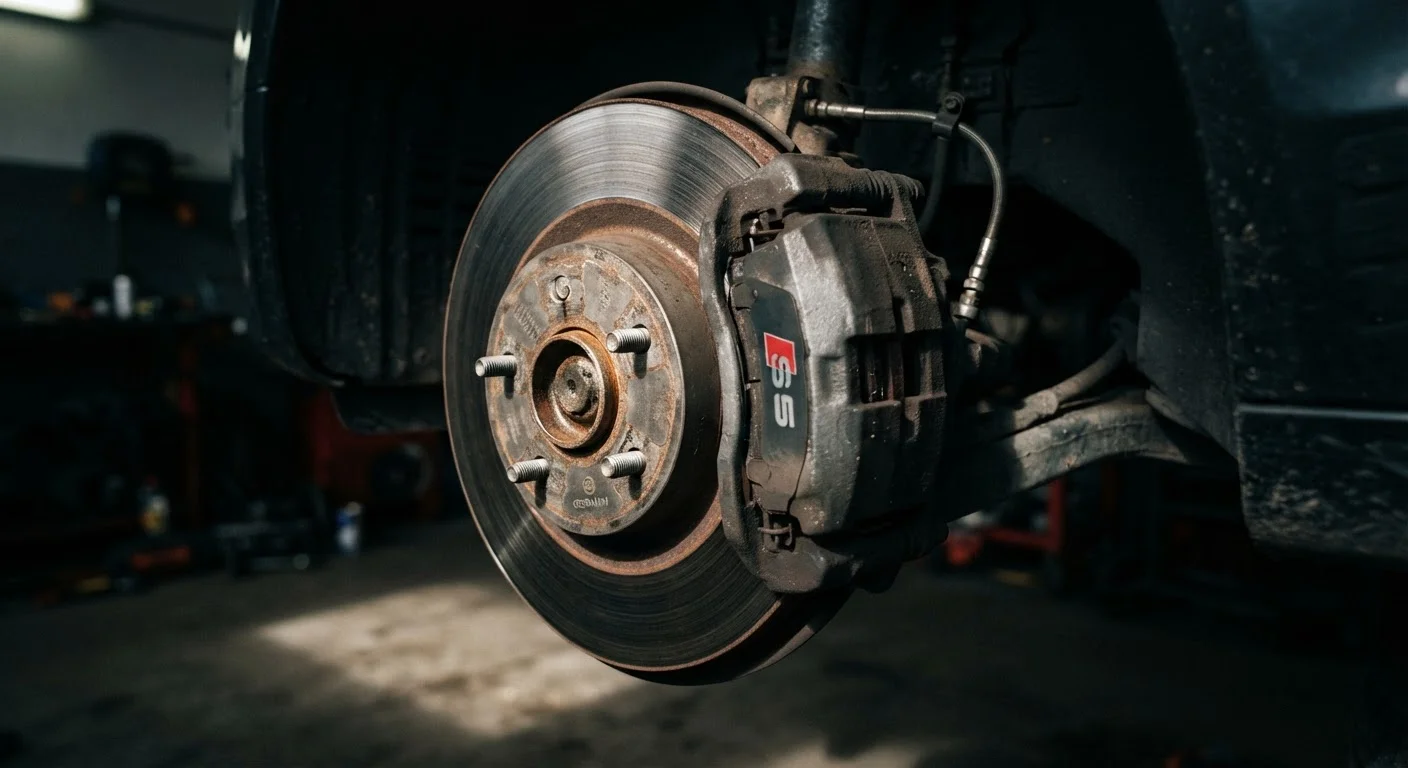
Photo: QuickAdvisor.net editorial
Key Takeaways
- Brake squeal has multiple causes - not all of them mean your brakes are failing immediately.
- A built-in wear indicator deliberately produces squealing when pads are nearly worn out.
- Grinding sounds are more urgent than squealing and typically mean metal-on-metal contact.
- Brake pulsation or a vibrating pedal often points to warped rotors.
- Brake fluid condition matters too - low or degraded fluid affects stopping power.
- When in doubt, have a qualified mechanic inspect your brakes before the problem escalates.
What's Actually Making That Noise
When your brakes squeal, the sound is mechanical communication. Your brake system - which uses friction to slow a vehicle weighing thousands of pounds - operates under intense heat and pressure. Any change in that system's condition tends to show up as sound first.
The most common causes of brake squeal include:
- Worn brake pads triggering a wear indicator: A small metal tab built into most pads contacts the rotor when pads thin to roughly 2-3 mm, creating an intentional squeal as a service alert.
- Surface rust on rotors: Rotors develop a thin rust film after rain or overnight humidity. This typically clears up within the first few stops and isn't cause for concern if it disappears quickly.
- Glazed pads or rotors: Sustained light braking - such as riding the brake downhill - can overheat pad material, creating a hardened, glassy surface that vibrates and squeals.
- Dust or debris: Small particles trapped between the pad and rotor produce temporary noise that usually resolves without intervention.
- Low-quality or mismatched pad material: Some harder pad compounds are simply noisier by nature during normal operation.
Not All Brake Noise Is a Crisis
Reading Different Brake Sounds
Not all brake noise is created equal. The type of sound and when it occurs narrows down the cause considerably.
Squealing
A consistent, high-pitched squeal during braking that doesn't go away after the first few stops of the day is the clearest signal that your wear indicator is doing its job. At this stage, you still have a window to schedule service before damage escalates - but that window is measured in weeks, not months.
Grinding
A grinding or growling sensation when braking is more urgent. It typically means pads have worn completely through and the metal backing is scraping against the rotor. Rotors damaged this way often need replacement rather than just resurfacing, significantly increasing repair costs. Don't delay inspection if you hear grinding.
Squealing Only at Low Speeds or While Turning
Noise that appears only during slow maneuvers - parking lot turns, for instance - can point to a stuck caliper, insufficient lubrication on brake hardware, or a foreign object. These are worth a professional look, though they may not signal immediate brake failure.
Pulsing Pedal or Vibration
If your brake pedal pulses up and down under your foot, or the steering wheel shudders when you brake at highway speeds, warped rotors are the likely culprit. Rotors can warp from rapid temperature swings - such as driving through a puddle with hot brakes - or from uneven torque during pad installation. Understanding how your vehicle behaves under braking stress helps you react appropriately when something feels off.
What You Can Do - and When to Call a Mechanic
Some brake noise is benign and self-resolving. But knowing which type you're dealing with is the key to acting appropriately.
Don't Wait for the Grind
Check your brake fluid: A low brake fluid reservoir can accompany worn pads or signal a leak. Our guide on brake fluid and other essential car fluids explains what to look for. Fluid that appears dark brown instead of clear amber is also a sign it may be time for a flush.
Look through your wheels: On many vehicles, you can see the brake rotor and caliper through the wheel spokes. If the pad material visible on the caliper appears very thin - less than a quarter-inch - it's time for service.
Pay attention to warning lights: Many modern vehicles have an electronic brake wear sensor that triggers a dashboard alert before you even hear the squeal. Knowing what your dashboard warning lights mean can help you catch brake issues early.
Trust your instincts: If stopping distances feel longer than usual, the pedal feels soft or spongy, or the vehicle pulls to one side under braking, those are symptoms a mechanic needs to evaluate promptly - regardless of whether there's any noise at all.
Brake maintenance isn't a place to defer indefinitely. Tire condition also plays a role in how effectively braking force translates to stopping distance - see our overview on how tire pressure affects braking for that broader picture.
Frequently Asked Questions
The content on this site is for informational purposes only and is not a substitute for professional advice. Always consult a qualified professional for guidance specific to your situation.