
The Dashboard Warning Lights Every Driver Should Know

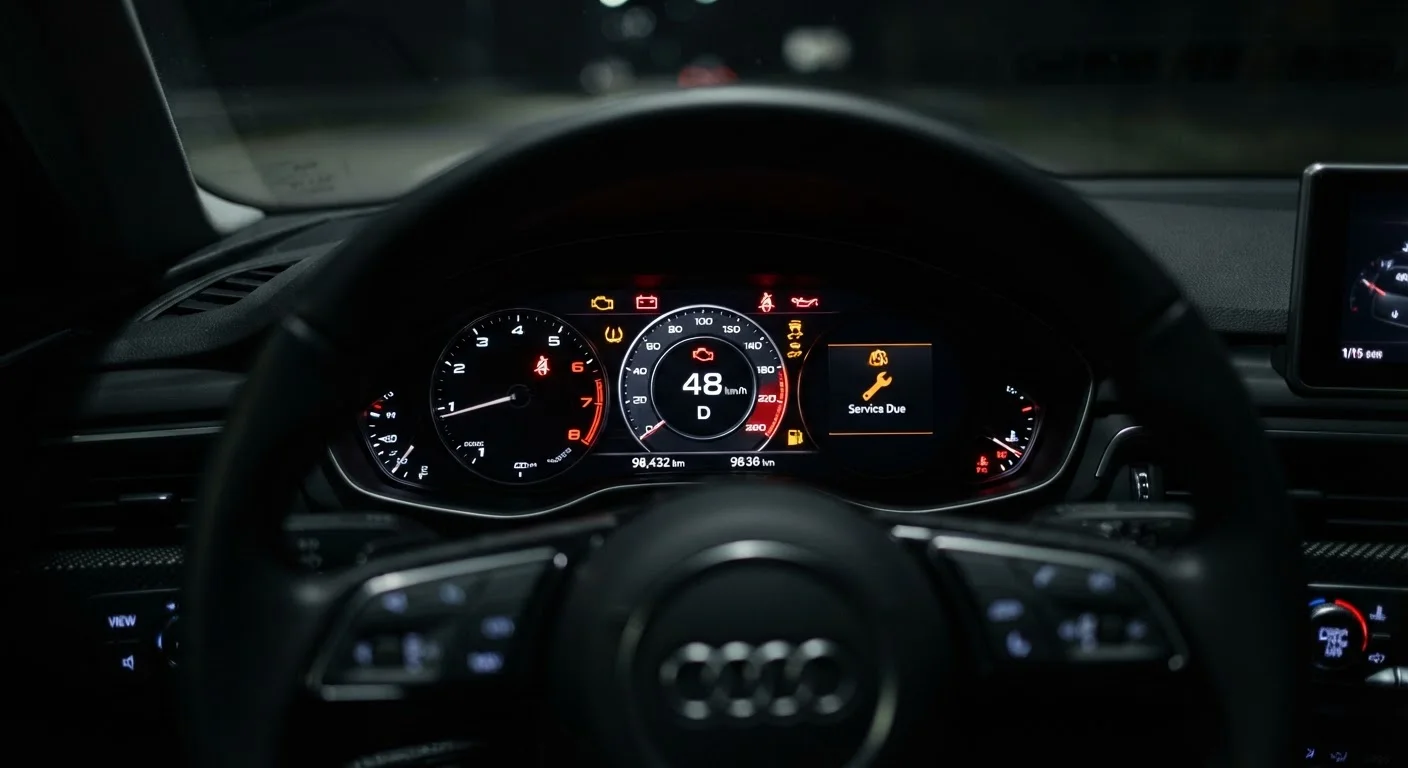
Photo: QuickAdvisor.net editorial
Why Dashboard Lights Demand Your Attention
Modern vehicles are equipped with onboard diagnostic systems that continuously monitor dozens of components - from engine combustion to tire pressure. When a sensor detects a problem, it triggers a dashboard warning light. Ignoring these signals doesn't make the underlying issue go away; in many cases, it accelerates damage or creates a safety risk.
Warning lights are typically organized by urgency. Red lights signal serious or potentially dangerous conditions requiring immediate action. Amber/yellow lights indicate conditions that need attention soon but may not require pulling over immediately. Blue and green lights are usually informational - confirming that a system is active, like high beams or a turn signal.
Because light icons and meanings can vary slightly between manufacturers, your single most reliable resource is your vehicle's owner's manual. If you haven't consulted yours, our guide on how to get the most from your owner's manual explains exactly where to find manufacturer-specific details.
The Most Common Warning Lights Decoded
Below are the warning lights drivers encounter most often, what triggers them, and how urgently you should respond.
Check Engine (Red or Amber)
One of the most misunderstood lights on any dash. A steady amber light typically means an emissions-related issue - anything from a loose gas cap to a failing oxygen sensor. A flashing check engine light is more serious and often indicates engine misfiring that can damage the catalytic converter. Have a steady light diagnosed within a few days; a flashing light warrants pulling over safely and calling for service.
Oil Pressure Warning (Red)
This light - often shaped like an oil can - signals that your engine is not receiving adequate oil pressure. Low oil pressure can cause rapid, severe engine damage. Pull over safely as soon as possible, shut off the engine, and check the oil level. Do not continue driving if this light remains on after a restart.
Battery / Charging System (Red)
Indicates the charging system isn't maintaining battery voltage. Common causes include a failing alternator, a worn belt, or a battery nearing the end of its life. The vehicle may continue running for a short time on battery power alone, but systems will begin failing. Limit electrical load and head to a service center promptly.
Coolant Temperature Warning (Red)
Your engine is overheating. Pull over, turn off the engine, and let it cool before opening the hood - never remove the radiator cap while the engine is hot. Driving on an overheated engine can warp the cylinder head, a repair that runs into thousands of dollars. Temperature extremes are particularly hard on cooling systems; seasonal car care preparation can help you catch problems before they reach a crisis.
Tire Pressure Monitoring System - TPMS (Amber)
Your TPMS light illuminates when one or more tires falls significantly below recommended pressure. Under-inflated tires reduce fuel efficiency, impair handling, and increase blowout risk. Check all four tires promptly with a gauge. For a thorough explanation of how inflation levels affect your vehicle's behavior, see our article on how tire pressure affects handling and braking.
Brake System Warning (Red)
This light can indicate the parking brake is engaged, brake fluid is low, or a fault in the braking system itself. Release the parking brake first - if the light persists, check brake fluid. A brake system fault with no obvious cause should be evaluated by a qualified mechanic before driving further. For related symptoms like noise, our brake noise guide explains what different sounds signal.
ABS Warning (Amber)
The Anti-lock Braking System helps prevent wheel lock-up during hard stops. An ABS warning means the system may be disabled, though standard braking typically still functions. Avoid relying on ABS-assisted maneuvers and have the system inspected.
Traction Control / Stability Control (Amber)
A flashing traction control light means the system is actively working - usually normal on slippery roads. A solid light may indicate the system has been manually disabled or has a fault. This matters most in adverse weather; understanding how conditions affect vehicle dynamics is covered in our wet and winter driving guide.
OBD-II
On-Board Diagnostics, second generation - a standardized system used in vehicles sold in the U.S. after 1996 that monitors emissions and mechanical systems. A scanner plugged into the OBD-II port can retrieve specific fault codes tied to warning lights.
Catalytic Converter
An emissions control device in the exhaust system that converts harmful combustion byproducts into less harmful gases. Engine misfires can overheat and permanently damage this component.
TPMS
Tire Pressure Monitoring System - a federal safety requirement on U.S. passenger vehicles since 2008 that alerts drivers when tire pressure drops significantly below the recommended level.
ABS
Anti-lock Braking System - prevents the wheels from locking up during hard braking, allowing the driver to maintain steering control. An ABS fault disables this feature while leaving conventional braking intact.
Alternator
A generator driven by the engine that recharges the battery and powers the vehicle's electrical systems while the engine is running. A failing alternator is a common cause of battery warning lights.
Fault Code
A standardized alphanumeric code stored by the vehicle's computer when a sensor detects an out-of-range condition. Fault codes help mechanics pinpoint the specific cause of a warning light.
When to Stop Immediately vs. When to Schedule Service
Not every warning light requires the same response. Use this framework to guide your decision-making:
- Stop immediately and call for assistance: Oil pressure, engine temperature (overheating), brake system fault, or a flashing check engine light.
- Drive cautiously to a service center today: Battery/charging system warning, steady check engine light, ABS fault.
- Address within a few days: TPMS (after re-inflating tires if pressure was the cause), service due reminders, emissions-related lights.
Before any extended drive, a full vehicle safety walkthrough - including a scan of your instrument cluster - is a smart habit. Our pre-road-trip safety checklist covers the essential steps. If you're new to vehicle ownership and want broader context for these systems, the first-time car owner's maintenance primer is a solid starting point.
When in doubt, a qualified mechanic can read fault codes with a diagnostic scanner - many auto parts stores offer this service at no charge. Acting on a warning light early is almost always less expensive than waiting.
The content on this site is for informational purposes only and is not a substitute for professional advice. Always consult a qualified professional for guidance specific to your situation.