
Rain, Fog, Snow, Ice: Adjusting Your Driving for Each Condition

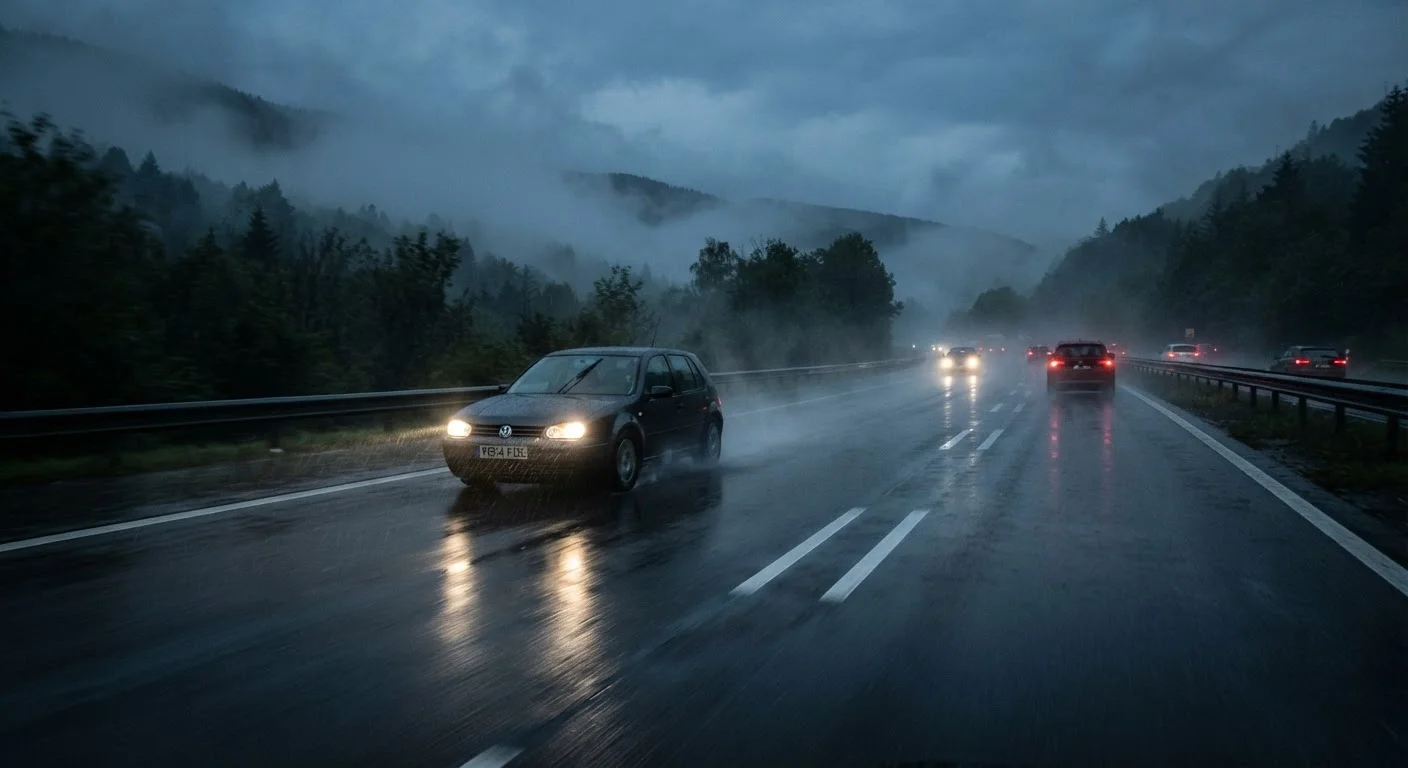
Photo: QuickAdvisor.net editorial
Key Takeaways
- Rain, fog, snow, and ice each create different hazards requiring specific driver responses.
- Reducing speed is the single most effective adjustment in nearly every adverse weather condition.
- Headlight use, following distance, and brake technique must all be adapted to match the conditions.
- Vehicle preparation before bad weather arrives is as important as in-the-moment driving choices.
Why One-Size Driving Doesn't Fit All Weather
Most drivers know to "be careful" when weather turns bad, but that general instinct isn't specific enough to be useful. Rain, fog, snow, and ice each degrade your driving environment in distinct ways - affecting visibility, traction, stopping distance, and vehicle handling differently. What works on a snowy road can be the wrong move on glare ice; the right fog technique differs from the right rain technique.
The Federal Highway Administration estimates that weather-related crashes account for roughly 21% of all vehicle crashes annually in the United States. The good news is that most of these are preventable with informed, deliberate adjustments. Understanding what each condition actually does to your car - and to the road - is the foundation for making smarter decisions behind the wheel.
See also: when driving at the speed limit still isn't safe enough.
Driving in Rain: Traction and Visibility Together
Rain creates two simultaneous hazards: reduced visibility and reduced tire grip. The first few minutes of a rain shower are often the most dangerous, as water mixes with oil and dust to form a slick surface layer before runoff clears it away.
Slow down and increase your following distance in rain.
Turn on headlights - not high beams - in rain and poor visibility.
Apply brakes early and gently on slick surfaces.
Never use cruise control in rain, snow, or fog.
If your vehicle begins to hydroplane - where tires ride on a film of water and lose contact with the road - ease off the accelerator gently and steer straight without braking hard. For a deeper look at the difference between skidding and hydroplaning, see how to recognize and respond to each.
Fog: When Visibility Drops to Almost Nothing
Fog is uniquely deceptive - it can thin and thicken unexpectedly, and it distorts depth perception, making distances and speeds hard to judge accurately. The reflex to use high beams in fog is a common mistake: the light bounces off water droplets and actually reduces how far you can see.
Use your low beams or dedicated fog lights if your vehicle has them. Keep your speed well below the posted limit, and use road markings and edge lines rather than the taillights of the car ahead as your primary reference - following another vehicle's lights too closely encourages tailgating. If fog becomes severely limiting, it's appropriate to pull safely off the road, turn on your hazard lights, and wait for conditions to improve.
Snow and Ice: Two Conditions That Demand Different Tactics
Snow and ice are related but not interchangeable. Packed snow offers some texture for tires to grip; ice - especially black ice, the near-invisible glaze that forms on bridges and shaded pavement - provides almost none. Braking distances on ice can be up to ten times longer than on dry roads.
On snow, gentle acceleration from a stop and slow, deliberate steering inputs are key. On ice, avoid any sudden inputs - acceleration, braking, or steering - that could break the fragile contact between tire and road. If your vehicle has ABS, apply firm, steady brake pressure and let the system do its job rather than pumping the pedal. Ensure your vehicle is fully winterized before cold weather sets in - seasonal car care preparation covers what to inspect before temperatures drop.
All-wheel drive and four-wheel drive help you accelerate on slippery surfaces but do not meaningfully improve your ability to stop - a distinction many drivers misunderstand.
Universal Habits That Carry Across All Conditions
Regardless of which type of weather you're navigating, several core behaviors consistently reduce risk. Increase your following distance beyond the standard three-second rule - in poor conditions, doubling or tripling that gap gives you time to respond to hazards ahead. Turn on headlights in any condition that reduces visibility, even midday rain or overcast skies; many modern vehicles default to automatic lights, but verify they're actually on.
Minimize distractions even more strictly than usual - adverse weather demands your full attention. Before leaving, check that your windshield wipers, defroster, and tires are in good condition. If a warning light illuminates during poor weather, don't dismiss it; see what dashboard warning lights mean to understand urgency. And finally, if conditions exceed your confidence level, delaying a trip is always a legitimate safety choice.
When Staying Home Is the Right Call
The content on this site is for informational purposes only and is not a substitute for professional advice. Always consult a qualified professional for guidance specific to your situation.