
What to Do Immediately After a Car Accident

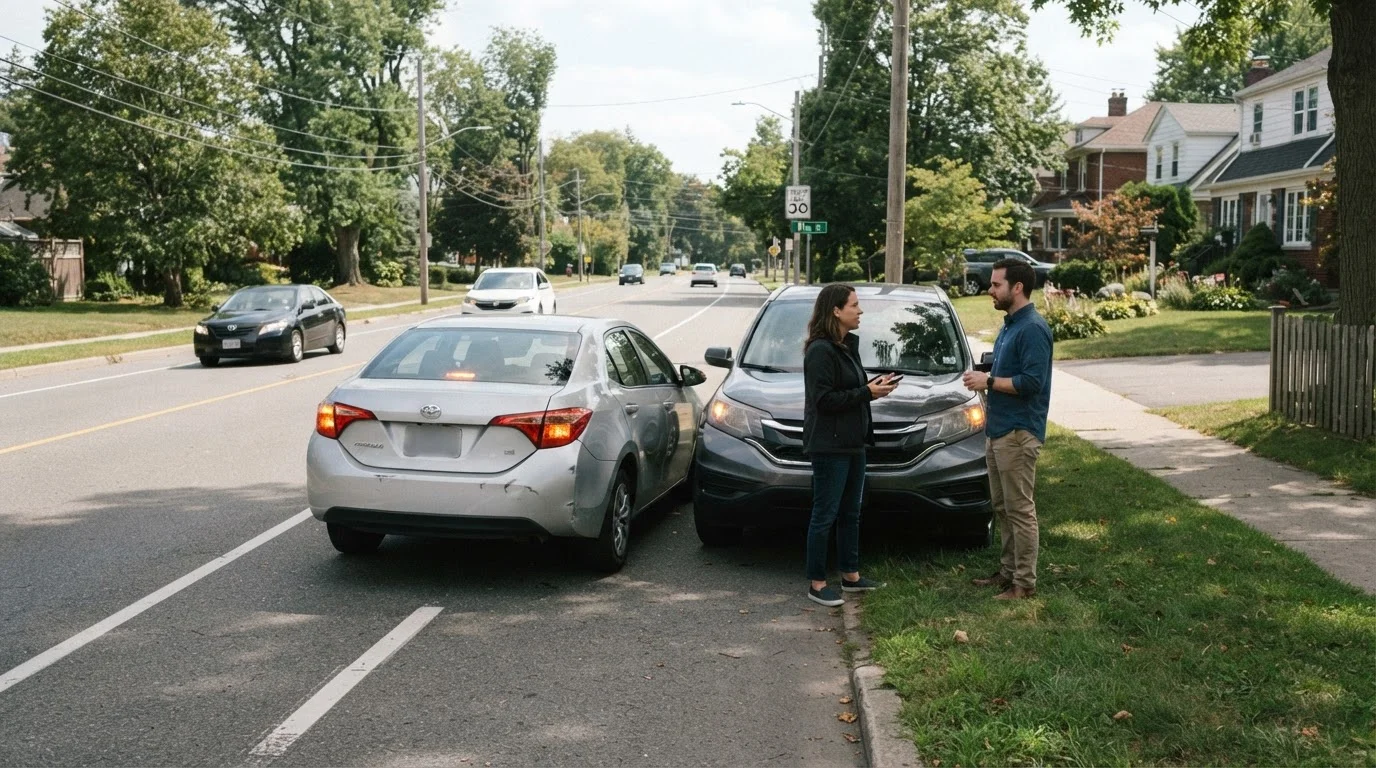
Photo: QuickAdvisor.net editorial
Key Takeaways
- Move to safety first - check for injuries before anything else.
- Always call 911, even for minor collisions; a police report protects you legally.
- Document everything at the scene with photos before vehicles are moved.
- Exchange insurance and contact information with all involved parties.
- Never admit fault at the scene - let investigators and insurers determine liability.
- Notify your insurance company promptly, even if you weren't at fault.
Why Your First Moves Matter Most
A car accident compresses decision-making into seconds. Adrenaline distorts your perception, bystanders may be shouting, and traffic may still be moving around you. Despite the chaos, the actions you take in the first few minutes directly affect your physical safety, your ability to file a valid insurance claim, and your legal protection if liability is ever disputed.
Many drivers are surprised to learn that common instincts - like immediately moving the cars, apologizing, or not calling police for a "minor" fender-bender - can complicate the aftermath significantly. Understanding the right sequence in advance is one of the most practical things any driver can do. Preparation before a trip matters too: see our pre-drive vehicle safety walkthrough for catching issues before they become emergencies.
What you will need
Step-by-Step: What to Do Right After a Crash
Follow these steps in order. Each one builds on the last, and skipping ahead - especially to exchanging information before securing the scene - can put you and others at greater risk.
Stop and assess immediate safety
Bring your vehicle to a stop as quickly and safely as possible. Do not flee the scene - leaving is a criminal offense in every U.S. state. Once stopped, check yourself and any passengers for injuries before doing anything else.
Turn on hazard lights and secure the scene
Activate your hazard lights immediately. If the vehicles are drivable and it is safe to do so, move them to the shoulder or a nearby parking area to clear the roadway. If vehicles cannot be moved or moving them would worsen injuries, leave them in place and focus on keeping people away from traffic.
Call 911
Call 911 regardless of how minor the accident appears. Emergency dispatchers will send police and, if needed, medical responders. A responding officer will file an official accident report, which is often required by insurers and courts. Give the dispatcher your location, the number of vehicles involved, and whether anyone appears injured.
Check on others involved
Once it is safe to move around the scene, check on the other driver and any passengers. Do not attempt to move anyone who may have a spinal or neck injury - wait for emergency medical personnel. If someone is unconscious and not breathing, and you are trained in CPR, emergency dispatchers can guide you through next steps.
Document the scene thoroughly
Before vehicles are moved (or immediately after if they've already been repositioned), photograph everything: vehicle damage from multiple angles, license plates, the surrounding road environment, skid marks, traffic signals, and any visible injuries. Take wide shots to establish context, then close-ups of specific damage.
Exchange information with other parties
Collect the following from every driver involved: full legal name, phone number, home address, driver's license number and issuing state, license plate number, vehicle make, model and year, and insurance company name and policy number. Also collect names and contact information from any witnesses.
File a report and notify your insurer
Obtain the responding officer's name and badge number, plus the accident report number. Contact your insurance company as soon as possible - ideally the same day. Provide them with your documentation, the police report number, and a factual account of what occurred. Avoid speculating about fault when speaking with any insurer, including your own.
Common Mistakes to Avoid
Even careful drivers make avoidable errors in the confusion after a crash. Here are the ones with the highest consequences:
- Admitting fault prematurely. Saying "I'm sorry" at the scene can be interpreted as an admission of liability, even if the accident had multiple contributing factors. Reserve judgment for investigators.
- Skipping the police report. Without an official report, your account of events may carry less weight with insurers or in court. Many jurisdictions also legally require reporting accidents above a certain damage threshold.
- Failing to document before moving vehicles. Once cars are repositioned, critical evidence about impact angles, skid marks, and final positions is lost permanently.
- Relying solely on the other driver's information. Independently photograph their license plate, insurance card, and driver's license rather than simply copying what they tell you.
Store a Digital Accident Checklist
It's also worth understanding how pre-crash behavior factors into liability. For example, tailgating significantly increases rear-end collision risk - and insurers and courts do take following distance into account.
After You Leave the Scene
Your responsibilities don't end when you drive away. Notify your insurance provider as soon as possible - most policies require prompt reporting, and delays can create complications even when you were not at fault. Keep all documentation organized: the police report number, your photos, any medical visit records, and written notes about what you remember while it's still fresh.
If you sustained any injuries, seek medical evaluation even if you feel fine. Whiplash and soft-tissue injuries often don't produce symptoms for 24 to 72 hours. A documented medical visit creates an important record if symptoms emerge later.
Finally, be patient with yourself. Accidents are stressful, and some drivers find that anxiety about returning to the road follows them afterward. If that applies to you, our guide on rebuilding road confidence after a break offers grounded, practical steps for reacclimating safely.
The content on this site is for informational purposes only and is not a substitute for professional advice. Always consult a qualified professional for guidance specific to your situation.