
Getting Back Behind the Wheel After a Long Break

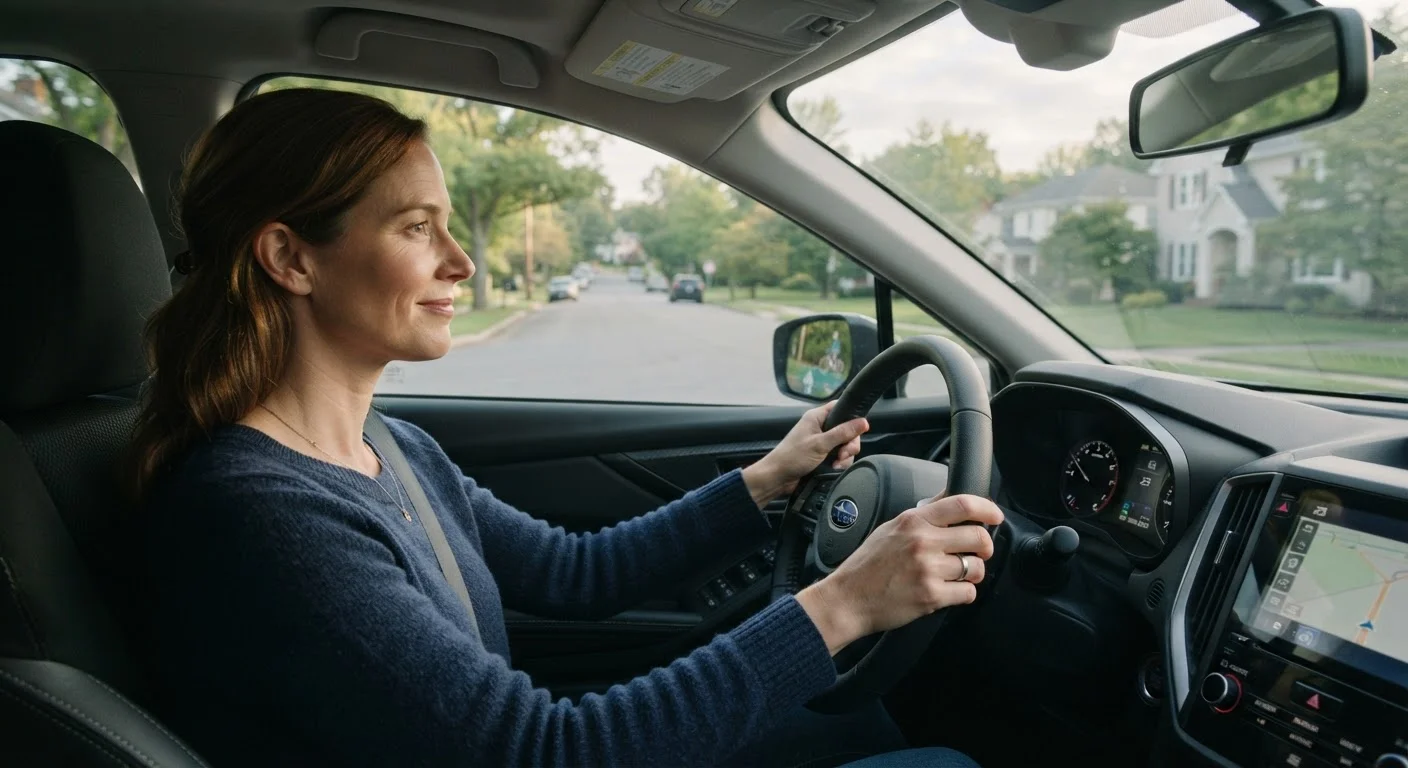
Photo: QuickAdvisor.net editorial
Key Takeaways
- Driving skills can diminish after extended periods of inactivity, requiring deliberate reacclimation.
- A thorough vehicle inspection before your first drive back is essential for safety.
- Starting with low-traffic routes and short sessions helps rebuild muscle memory gradually.
- Anxiety about returning to driving is common and manageable with structured exposure.
- A qualified driving instructor can provide objective feedback if you feel uncertain.
Why Driving Skills Fade - And What That Means for You
Driving feels automatic to experienced motorists - but that automaticity depends on regular practice. When you step away from the wheel for months or years due to illness, relocation, a pandemic-era lifestyle shift, or simply not needing to drive, the neural pathways associated with those skills can weaken. This is sometimes called skill decay, and it's a well-documented phenomenon in motor learning research.
For returning drivers, this can manifest as slower reaction times, reduced spatial awareness around other vehicles, hesitation at intersections, or unfamiliarity with updated traffic rules and road signage. None of these are permanent - they respond quickly to deliberate practice. But recognizing them honestly is the necessary first step.
Skill decay
The gradual weakening of a learned skill - like driving - when it isn't practiced regularly over time.
Muscle memory
The brain's ability to perform physical tasks automatically after enough repetition, such as checking mirrors or operating the pedals without conscious thought.
Following distance
The safe gap maintained between your vehicle and the one ahead, typically measured in seconds of travel time rather than car lengths.
Defensive driving
A mindset and set of techniques focused on anticipating hazards and responding to other drivers' actions before they become emergencies.
Certified Driving Rehabilitation Specialist (CDRS)
A credentialed professional who evaluates drivers with medical or functional challenges and recommends adaptations or training to help them drive safely.
Check the Vehicle Before You Check the Road
Before your first drive back, the vehicle itself deserves serious attention. A car that's been sitting unused accumulates issues that aren't visible from the outside. Tires lose pressure over time and can develop flat spots. Batteries discharge. Brake components can corrode slightly. Fluids degrade.
Run through these checks before turning the key:
- Tires: Inspect for proper inflation (check your door jamb sticker for the recommended PSI) and look for cracking, bulging, or uneven wear.
- Battery: If the car has been sitting for more than a month or two, have the battery tested - many auto parts stores offer this free of charge.
- Fluid levels: Check engine oil, coolant, brake fluid, and windshield washer fluid.
- Brakes: Once moving slowly in a safe area, test brake response before entering traffic.
- Lights: Confirm all exterior lights - headlights, taillights, brake lights, turn signals - are functioning.
The owner's manual is your most reliable reference for vehicle-specific maintenance intervals and specifications. If you're not sure what your car needs after sitting, consult a qualified mechanic rather than guessing.
A Structured Approach to Getting Back on the Road
Returning to driving works best as a gradual progression rather than an all-or-nothing reentry. Think of it the way physical therapy approaches recovery - controlled exposure, building complexity incrementally.
- Session 1 - Empty lot or quiet residential street: Reacquaint yourself with acceleration, braking, steering feel, mirrors, and blind-spot checks at very low speed with minimal traffic pressure.
- Session 2-3 - Light suburban roads: Introduce stop signs, traffic lights, and turns. Keep sessions short - 20 to 30 minutes is enough to build without fatiguing.
- Session 4-5 - Arterial roads and moderate traffic: Practice lane changes, merging, and maintaining following distance in real conditions.
- Session 6+ - Highway and peak-hour driving: Only once you feel genuinely comfortable with the above should you reintroduce high-speed or heavy-traffic environments.
For longer journeys, see the pre-drive safety walkthrough for a practical checklist before heading out.
Keep Sessions Short and Consistent
Rebuilding Confidence Without Rushing
Anxiety is one of the most common barriers returning drivers face. It's worth distinguishing between productive caution - the heightened awareness that actually makes you a safer driver - and counterproductive anxiety that causes freezing, over-braking, or avoidance of necessary driving situations.
A few principles help manage the latter:
- Drive during low-stress times initially - mid-morning on weekdays, avoiding rush hour and nighttime driving until you feel ready.
- Tell a trusted passenger what you're working through; their calm presence can reduce pressure significantly.
- Focus on process, not performance. You don't need to be a perfect driver - you need to be a safe, aware one.
Understanding what defensive driving actually means in practice can also reframe your mindset - it's less about fear and more about systematic awareness.
When to Seek Additional Help
Self-guided reacclimation works for most returning drivers. But there are situations where professional input adds real value:
- Your break was caused by a medical event that affected cognition, vision, or motor function - in these cases, consult your physician before resuming driving, and consider a formal driving evaluation through an occupational therapy driving rehabilitation program.
- Your anxiety is severe enough to cause panic or avoidance even after several practice sessions.
- You have a license that has lapsed and needs renewal - state DMV requirements vary, and some may require a road test.
A certified driving rehabilitation specialist (CDRS) is a trained professional who evaluates and assists drivers with medical or functional concerns. These specialists work with clients recovering from strokes, injuries, and other conditions that affect driving ability.
For newer vehicle owners who want to build good habits from the ground up, the first-time car owner's maintenance primer is a solid companion resource.
Frequently Asked Questions
The content on this site is for informational purposes only and is not a substitute for professional advice. Always consult a qualified professional for guidance specific to your situation.