
Macronutrients: What Carbs, Protein, and Fat Each Do in Your Body

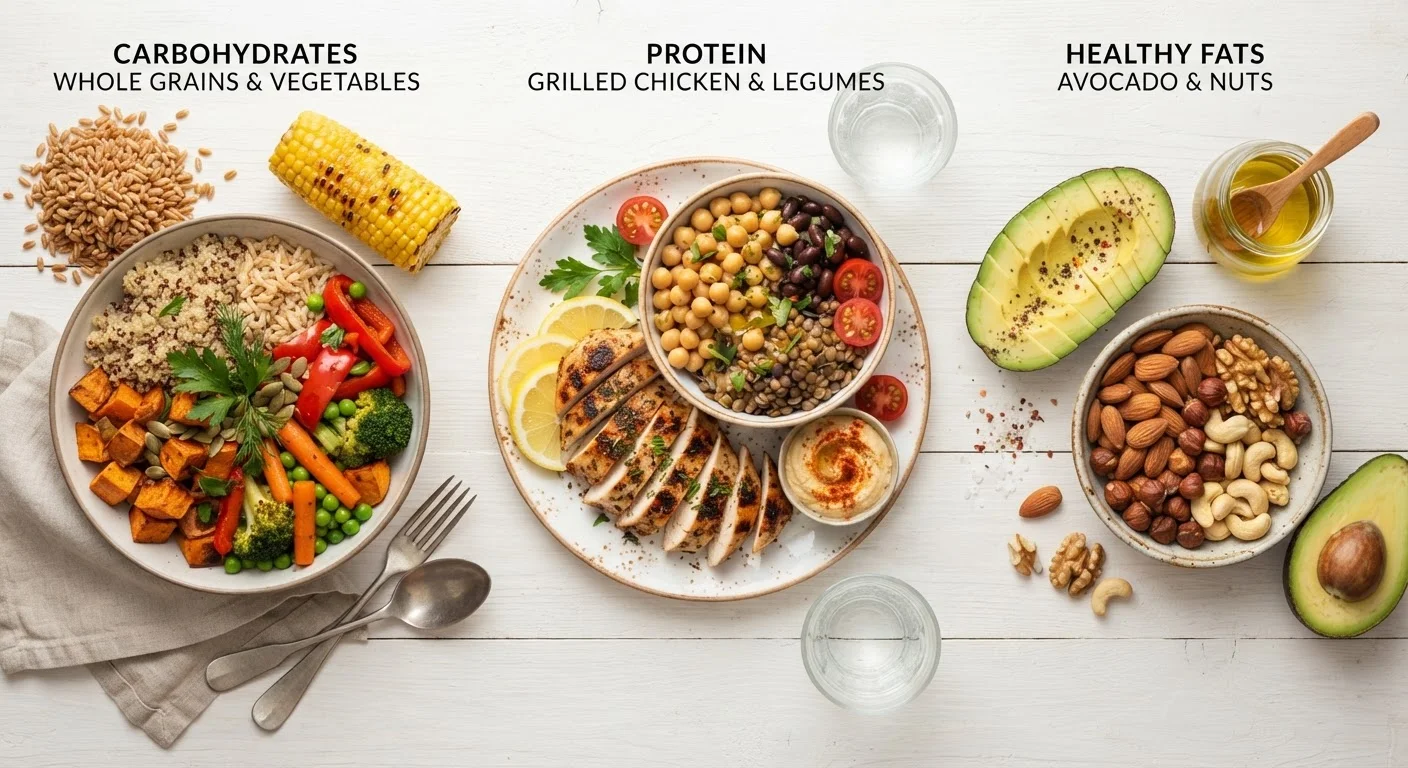
Photo: QuickAdvisor.net editorial
Key Takeaways
- Carbohydrates are the body's preferred and most efficient fuel source, especially for the brain and muscles.
- Protein supplies the amino acids needed to build and repair tissues, enzymes, and immune cells.
- Dietary fat is essential for hormone production, vitamin absorption, and protecting vital organs.
- Eliminating any macronutrient entirely can disrupt important bodily functions over time.
- Food quality within each macronutrient category matters as much as the quantity you eat.
Carbohydrates: Your Body's Preferred Fuel
Carbohydrates are broken down into glucose, the primary energy currency your cells use to function. The brain alone consumes roughly 20% of the body's total energy and runs almost exclusively on glucose under normal conditions. During physical activity, muscles draw on stored glucose (in the form of glycogen) for quick, efficient power.
Not all carbohydrates behave the same way. Simple carbohydrates - such as table sugar and refined flours - are digested rapidly, causing faster rises in blood glucose. Complex carbohydrates - found in whole grains, legumes, vegetables, and fruit - are digested more slowly, delivering more sustained energy and often coming packaged with fiber, vitamins, and minerals.
Dietary fiber, technically a carbohydrate, deserves special mention. It isn't absorbed as energy, but it feeds beneficial gut bacteria, supports digestive health, and helps regulate blood sugar and cholesterol. Most Americans fall significantly short of recommended fiber intake, according to dietary survey data from the U.S. Department of Agriculture.
Fiber: The Carbohydrate Worth Highlighting
For a closer look at how popular ideas about carbohydrates hold up to scrutiny, see popular nutrition myths that persist despite the evidence.
Protein: Builder, Repairer, Regulator
Protein is made up of amino acids - often described as the body's building blocks. Of the 20 amino acids the body uses, nine are considered essential, meaning the body cannot manufacture them and must obtain them from food. Complete protein sources such as eggs, meat, fish, dairy, and soy contain all nine; many plant proteins are incomplete but can be combined across meals to meet full amino acid needs.
Beyond muscle building, protein does far more than many people realize. Enzymes that drive every chemical reaction in your body are proteins. Antibodies that defend against infection are proteins. Hormones like insulin are proteins. Even the hemoglobin that carries oxygen through your blood is a protein.
When carbohydrate and fat intake is insufficient, the body can break down protein for energy - but this is an inefficient last resort that draws on muscle tissue. This is one reason extreme low-calorie diets can result in muscle loss alongside fat loss.
~20%
Share of total body energy used by the brain
The brain's disproportionate energy demand - met primarily by glucose - underscores why carbohydrate availability matters for cognition and focus.
9 kcal/g
Calories per gram of dietary fat
Fat delivers more than twice the energy per gram of carbohydrates or protein, making it the body's most concentrated stored energy source.
9
Essential amino acids humans must get from food
The body cannot synthesize these amino acids on its own, making protein-rich food sources a non-negotiable part of the diet.
Curious about the current science on protein intake and popular high-protein diets? The evidence is more nuanced than headlines suggest. See what the science actually supports about protein.
Fat: Essential, Not Optional
Dietary fat has been unfairly vilified for decades, but research has substantially revised that picture. Fat is essential for absorbing fat-soluble vitamins - A, D, E, and K - which means a diet too low in fat can lead to deficiencies even if those vitamins are present in foods you eat. Fat also forms the structural layer of every cell membrane in the body and is the raw material for many hormones, including sex hormones and those that regulate inflammation.
The type of fat matters considerably. Unsaturated fats - found in olive oil, avocados, nuts, seeds, and fatty fish - are associated in research with reduced cardiovascular risk. Saturated fats, common in red meat and full-fat dairy, are linked to increased LDL cholesterol when consumed in excess, though the relationship is still actively studied. Industrial trans fats (partially hydrogenated oils) have been largely removed from the U.S. food supply following regulatory action because of their clearly documented cardiovascular harms.
Fat also contributes to satiety - the feeling of fullness after eating - which helps regulate how much you eat overall. The idea that eating fat automatically becomes body fat is a persistent myth. Body fat accumulation is primarily a function of overall energy balance, not fat intake alone. For more on that and related misconceptions, see nutrition myths that persist despite the evidence.
To round out your nutritional knowledge, it's worth understanding how macronutrients work alongside micronutrients - the vitamins and minerals your body can't make on its own.
This article is for general informational and educational purposes only and is not a substitute for professional medical or nutritional advice. Consult a qualified healthcare provider or registered dietitian for guidance specific to your health needs.
Frequently Asked Questions
The content on this site is for informational purposes only and is not a substitute for professional advice. Always consult a qualified professional for guidance specific to your situation.