
What to Pack Before Any Outdoor Activity: A Practical Readiness Checklist

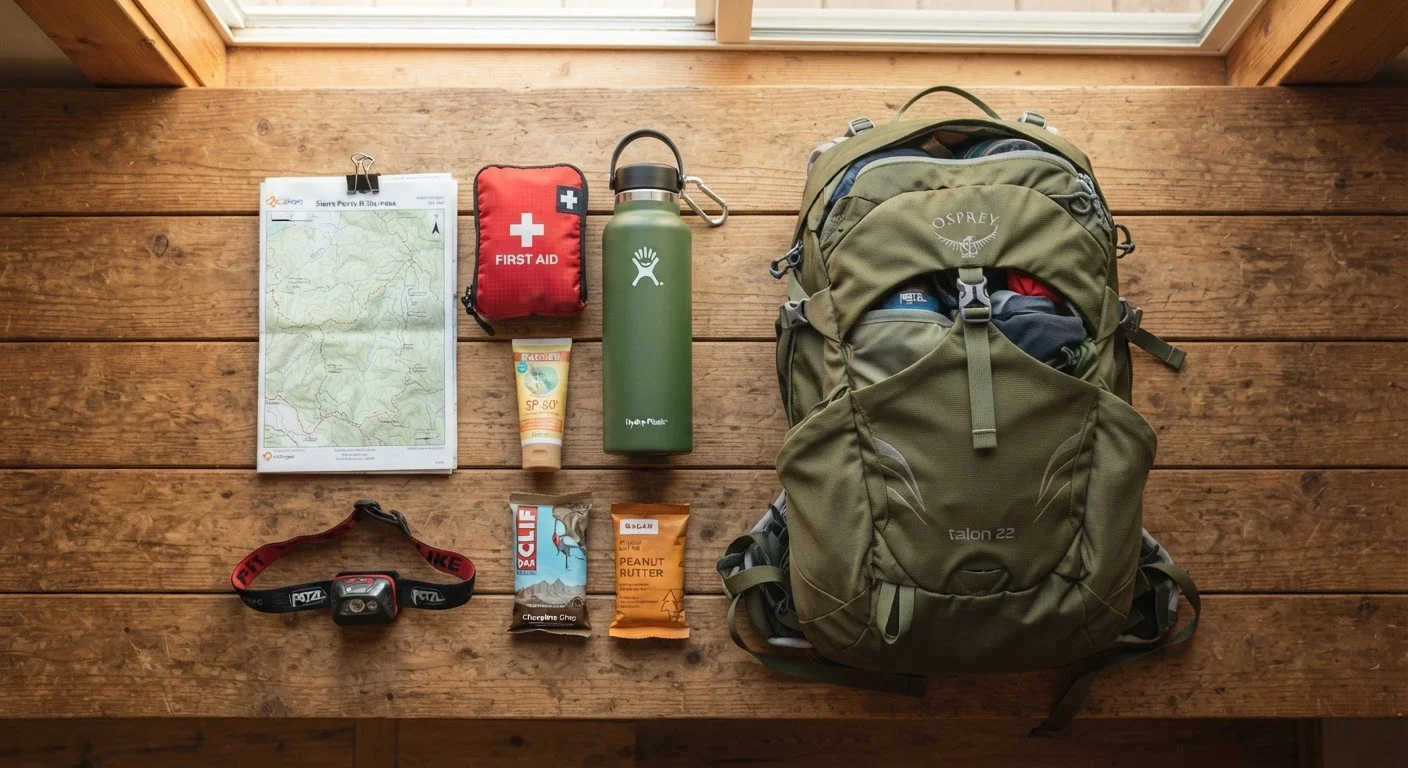
Photo: QuickAdvisor.net editorial
Key Takeaways
- Safety essentials - navigation, first aid, and shelter - should be packed regardless of trip length or activity type.
- Hydration and nutrition needs vary by duration and intensity; plan quantities before you leave, not after you arrive.
- Weather and terrain should directly influence your clothing, footwear, and gear choices every single time.
- Informing someone of your plans and expected return time is one of the simplest safety steps you can take.
- A consistent pre-outing routine helps you catch overlooked items before they become problems in the field.
Why a Pre-Activity Checklist Actually Matters
Most outdoor mishaps - a blister that sidelines a hike, dehydration on a warm cycling day, a sprained ankle with no first aid kit in reach - share a common root cause: incomplete preparation. That's not a character flaw; it's a systems gap. A reliable checklist closes it.
Whether you're heading out for a two-hour trail run or a full-day kayak trip, the categories of what you need remain largely the same. The quantities and specific items shift with distance, weather, and activity type, but the checklist structure stays constant. That consistency is what makes it valuable - run through it enough times and it becomes second nature, embedding preparation as a standard part of how you engage with outdoor movement.
If you're also planning a longer journey around your outing, the pre-trip planning checklist covers the broader logistics you'll want to handle before leaving home. For activity-specific gear decisions, the year-round outdoor activity planner can help you match the right pursuits to each season.
Safety & Navigation
Hydration & Nutrition
Clothing & Footwear
Sun, Weather & Environmental Protection
Gear & Activity-Specific Essentials
How to Use This Checklist Effectively
Run through this list the evening before your outing, not the morning of. That buffer gives you time to locate a missing item, charge a device, or swap out gear without rushing. Keep a physical or digital copy somewhere accessible - your phone, a notes app, or even a card tucked inside your pack.
Don't Rely Solely on Cell Service in the Field
Tailor quantities to your specific activity. A solo cyclist on a paved greenway for 90 minutes needs far less water and food than a group hiking a rocky 8-mile loop in summer. Use the checklist as a framework, then apply judgment about scale. If you're evaluating whether new gear is worth bringing along, the pre-purchase product assessment checklist is a useful resource before you invest. And if your outdoor adventure is part of a larger road trip, don't overlook the vehicle safety walkthrough before you hit the highway.
Offline Map App (e.g., AllTrails, Gaia GPS)
Download route maps and topographic data before departure so navigation works without cell service.
Compact First Aid Kit
Treat minor injuries, blisters, and cuts in the field to prevent small problems from ending your outing early.
Hydration Pack or Reusable Water Bottle
Carry adequate fluids for the full duration of your activity plus a buffer for unexpected delays.
Weather App with Hourly Forecast
Check conditions close to departure time to identify any significant changes in temperature, wind, or precipitation.
Water Purification Tablets or Filter
Provide a backup water source on longer outings where natural water may be available along the route.
Headlamp with Extra Batteries
Maintain visibility if your outing extends past daylight hours or you enter low-light terrain like tree cover or tunnels.
The content on this site is for informational purposes only and is not a substitute for professional advice. Always consult a qualified professional for guidance specific to your situation.