
How the NFL Season Actually Works, From Preseason to Super Bowl

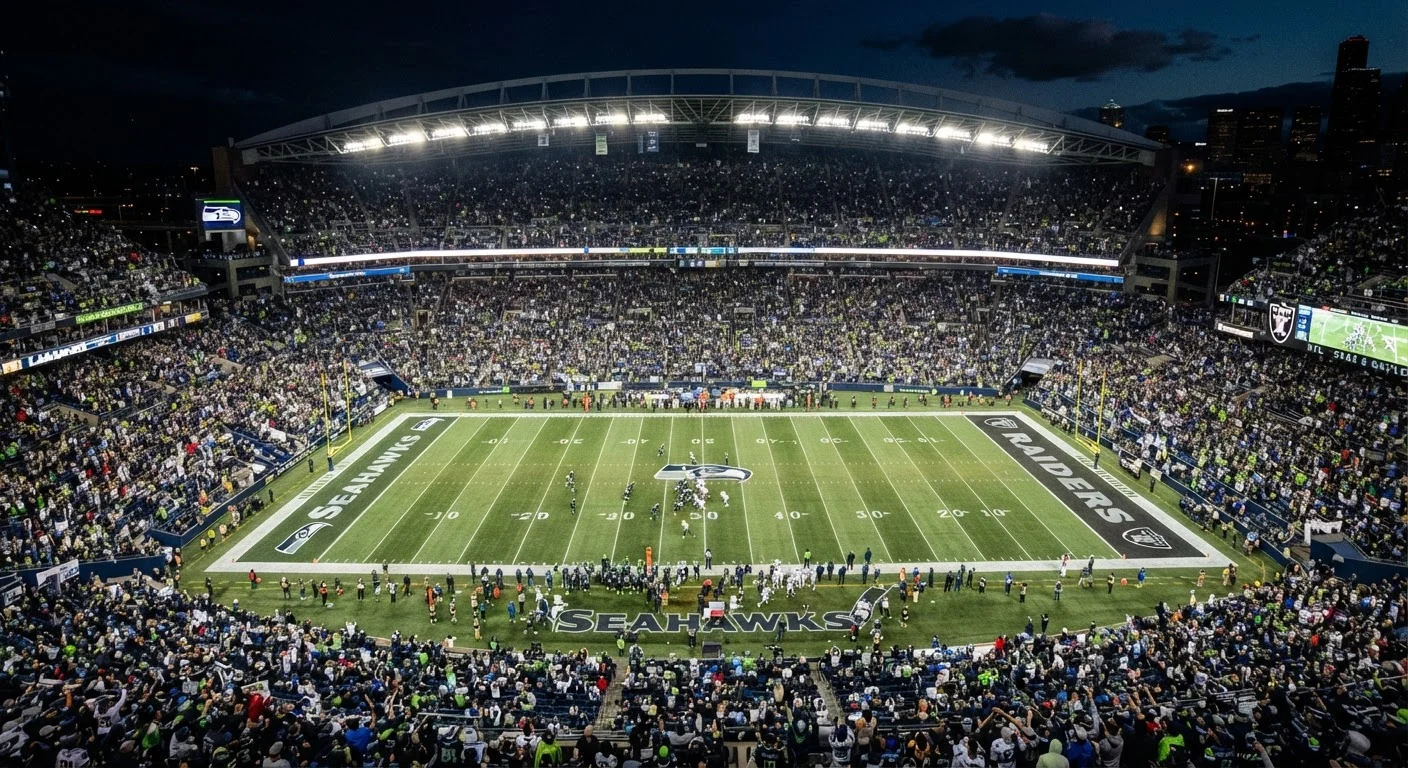
Photo: QuickAdvisor.net editorial
Key Takeaways
- The NFL regular season spans 18 weeks, with each team playing 17 games and receiving one bye week.
- Fourteen teams - seven from each conference - qualify for the playoffs each season.
- Division winners earn the top four seeds in each conference; the remaining three spots go to wild card teams.
- The Super Bowl is played between the NFC and AFC conference champions, typically in early February.
- Playoff seeding matters because the top seed in each conference earns a first-round bye.
Preseason: Practice in Public
The NFL calendar officially begins in late July when training camps open. Before regular-season play starts, teams compete in a preseason that typically runs through late August and consists of up to four games. These contests do not count in the standings - they exist so coaches can evaluate depth players, install new schemes, and work young talent into game situations.
Starters frequently play limited snaps in preseason games, which is why the scores and statistics carry little predictive weight. Roster cuts follow the preseason, trimming each team from roughly 90 players down to the 53-man active roster that competes during the regular season.
The Regular Season: 17 Games, 18 Weeks
The regular season kicks off in early September and runs through early January. Each of the NFL's 32 teams plays 17 games, spread across 18 weeks - the gap created by each team's single bye week. Scheduling follows a rotation formula that determines which divisions a team faces in a given year, ensuring competitive balance over a multi-year cycle.
Teams are organized into two conferences - the AFC (American Football Conference) and NFC (National Football Conference) - each containing four divisions of four teams. A team's division record is critical: winning your division guarantees a playoff spot, regardless of overall record. If you're following the standings, the division column is the first number worth watching.
For help decoding what you're seeing on screen during games, the scoreboard guide breaks down every clock, number, and indicator you'll encounter.
32
NFL teams across two conferences
The league is divided into the AFC and NFC, each containing four four-team divisions, per the official NFL structure.
17
Regular season games per team
The NFL expanded from 16 to 17 regular-season games starting with the 2021 season, adding one inter-conference matchup per team.
14
Teams that qualify for the playoffs
Seven teams per conference - four division winners and three wild cards - advance to the postseason each year.
Playoff Seeding and Wild Cards Explained
At the end of the regular season, 14 teams advance to the playoffs. In each conference, the four division winners claim Seeds 1 through 4, ranked by record. The three remaining spots - Seeds 5, 6, and 7 - go to the non-division-winning teams with the best conference records. These are called wild card teams.
Seeding determines home-field advantage and, crucially, first-round byes. The No. 1 seed in each conference skips Wild Card Weekend entirely, giving that franchise an extra week of preparation. Seeds 2 through 7 all compete in the first round, with higher seeds hosting lower seeds.
Track Division Standings, Not Just Records
Tiebreaker rules can get complex - head-to-head record, division record, and conference record are all factored in sequence. It's one reason late-season games between divisional rivals carry such high stakes even when both teams appear to be playoff-bound.
The Playoff Bracket: From Wild Card to Super Bowl
The NFL postseason is a four-round, single-elimination tournament. One loss and your season ends - which is why the intensity of playoff football differs so sharply from the regular season.
- Wild Card Round: Seeds 2-7 in each conference play, with higher seeds hosting. Six games total over one weekend.
- Divisional Round: The four remaining teams in each conference compete, with the No. 1 seed now entering. The best two records host.
- Conference Championships: The final two teams in each conference meet to determine who represents the AFC and NFC in the Super Bowl.
- Super Bowl: The AFC and NFC champions meet at a neutral site, typically in a warm-weather city or domed stadium, in early February.
Understanding key NFL statistics can make playoff games significantly more engaging - knowing what the numbers mean helps you follow the strategic chess match unfolding on the field.
How This Differs From Other Football Leagues
New fans sometimes wonder why the NFL schedule feels so different from college football or leagues in other countries. Part of the answer lies in structural design: the short regular season and bye weeks are intentional, partly to manage player health in a high-contact sport.
If you're curious how the American game compares to its closest cousin, the comparison between American and Canadian football is a useful read - the differences in field dimensions, rules, and playoff formats are more significant than most fans expect.
This article is for informational purposes only and is intended as a general educational overview of how the NFL season is structured.
Frequently Asked Questions
The content on this site is for informational purposes only and is not a substitute for professional advice. Always consult a qualified professional for guidance specific to your situation.