
Alaska Travel: Understanding the Logistics Before You Land

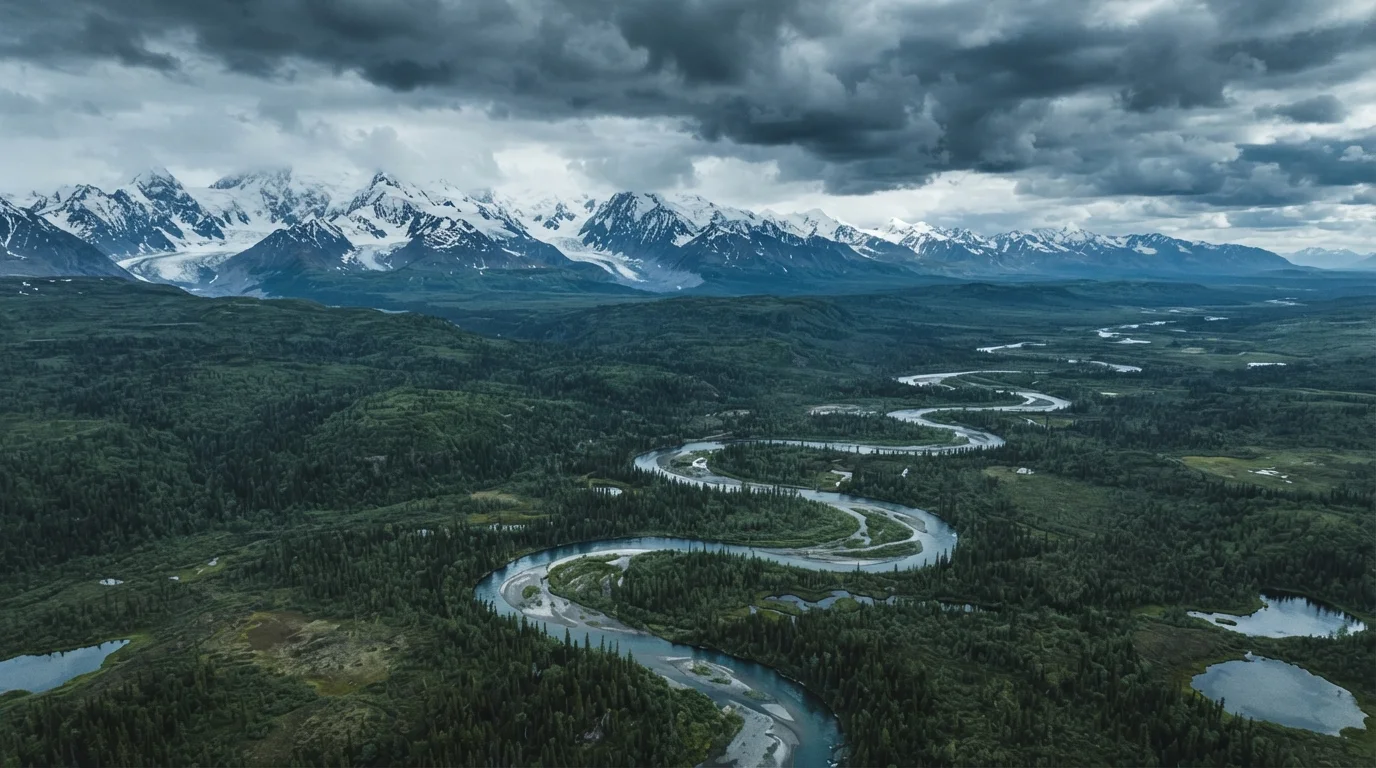
Photo: QuickAdvisor.net editorial
Key Takeaways
- Alaska is larger than Texas, California, and Montana combined - distances between destinations are enormous.
- Most communities are only accessible by air or boat; the road network is limited and often unpaved.
- Peak season runs roughly May through September; many services shut down entirely in winter.
- Costs tend to run higher than the continental US due to remoteness and transportation logistics.
- Wildlife safety and weather preparedness are essential considerations, not optional extras.
Why Alaska Requires a Different Planning Mindset
Planning a trip to Alaska isn't difficult - but it is different. The state covers over 663,000 square miles, making it larger than the next three biggest US states combined. That scale isn't just trivia; it shapes every practical decision you'll make, from how you get there to how long you'll need to see anything meaningful.
Unlike a standard US road trip - where you can improvise your route and find lodging as you go (see our guide to planning a US road trip for how that works) - Alaska rewards and sometimes requires advance planning. Transportation links are limited, lodges fill months out, and weather can change plans without warning. Thinking of Alaska as a destination that needs a real framework, rather than a loose itinerary, will serve you well from the start.
Alaska Marine Highway
A state-operated ferry network connecting Southeast Alaska communities to each other and to Bellingham, Washington - a key transportation alternative to flying.
Bush plane
A small aircraft used to reach communities not connected to the road system. In Alaska, these are a common and necessary form of transportation, not a tourist novelty.
Alaska Highway
A road running from Dawson Creek, British Columbia through Yukon and into Alaska, built during World War II - the main overland route from the lower 48 states.
Shoulder season
The travel periods just before or after peak season - in Alaska, roughly May and September - when visitor numbers and prices drop but some services may be limited.
Backcountry
Remote, undeveloped wilderness areas away from roads and facilities. In Alaska, backcountry travel demands serious preparation for weather, wildlife, and self-sufficiency.
Getting There: Air, Ferry, and the Road Less Traveled
Most visitors fly into Ted Stevens Anchorage International Airport, which serves as Alaska's main hub. Direct flights are available from several major US cities. Fairbanks and Juneau also have airports with commercial service, which matters depending on which part of the state you're targeting.
The Alaska Marine Highway System - a network of state-run ferries - connects Southeast Alaska communities like Juneau, Ketchikan, and Sitka to Bellingham, Washington. It's a scenic alternative to flying, but journey times are measured in days, not hours. Booking well ahead is strongly recommended, especially for vehicle space in summer.
Driving the Alaska Highway from the lower 48 is a genuine adventure, but it means transiting Canada, requiring a valid US passport. The route runs roughly 1,400 miles from Dawson Creek, British Columbia to Delta Junction, Alaska. Expect gravel stretches, remote fuel stops, and wildlife on the road. Always verify current road and border conditions through official sources before setting out.
Getting Around Once You Arrive
Here's where Alaska logistics get genuinely unique: over 80% of Alaska communities are not connected to the road system. Towns like Kodiak, Nome, and Dillingham are accessible only by air or water. Bush planes - small single- and twin-engine aircraft - are a routine part of daily life across the state, not a novelty.
Within the road-connected areas, a rental vehicle gives you the most flexibility. The Parks Highway between Anchorage and Fairbanks passes Denali National Park, while the Seward and Sterling Highways open up the Kenai Peninsula. Many of these roads are stunning but involve long stretches between services - fill your gas tank whenever you can.
Plan Transportation Before Lodging
If you're brand new to independent trip planning, our first-timer's trip planning roadmap is worth reviewing before you start booking anything in Alaska specifically.
Timing Your Trip: Seasons Make or Break Everything
Alaska's seasons are dramatic, and the gap between peak and off-season is sharper than almost anywhere else in the US. Understanding this trade-off is essential - our peak vs. off-season travel guide covers this dynamic in depth for travelers weighing the options.
- Summer (June-August): Long daylight hours, near-maximum access, wildlife viewing, and cruise season. Also the most crowded and expensive period.
- Shoulder seasons (May, September): Fewer visitors, lower prices, but unpredictable weather and some closures.
- Winter (October-April): Northern lights, extreme cold, and very limited services. Many lodges and tour operators close entirely. Road conditions can be severe.
Compare this to desert travel in the American Southwest, where the timing challenge is heat rather than darkness - Alaska's seasonal calculus is essentially the opposite.
Practical Logistics: Lodging, Costs, and Safety
Accommodation ranges from Anchorage hotels to backcountry wilderness lodges accessible only by floatplane. Budget travelers will find hostels and campgrounds in more visited areas; the national park campgrounds at Denali, for example, require reservations well in advance for summer visits.
Costs across the board tend to run higher than the continental US. Groceries, fuel, and lodging all reflect the expense of getting goods to a remote state. Factor this into your planning honestly rather than assuming mainland prices.
On safety: Alaska's wilderness is genuine wilderness. If you plan to hike, camp, or kayak outside developed areas, bear awareness and food storage practices are non-negotiable. Check current conditions and advisories through the National Park Service and Alaska state agencies before any backcountry excursion. Weather changes quickly in every season, and being underprepared in a remote area carries real risk.
Before you leave home, run through a solid pre-departure checklist - our pre-trip checklist covers everything from documentation to gear so nothing slips through the cracks. Alaska rewards those who plan; it's a destination that earns every bit of effort you put in before you land.
Frequently Asked Questions
The content on this site is for informational purposes only and is not a substitute for professional advice. Always consult a qualified professional for guidance specific to your situation.