
Defensive Driving: What the Phrase Actually Means on a Real Road

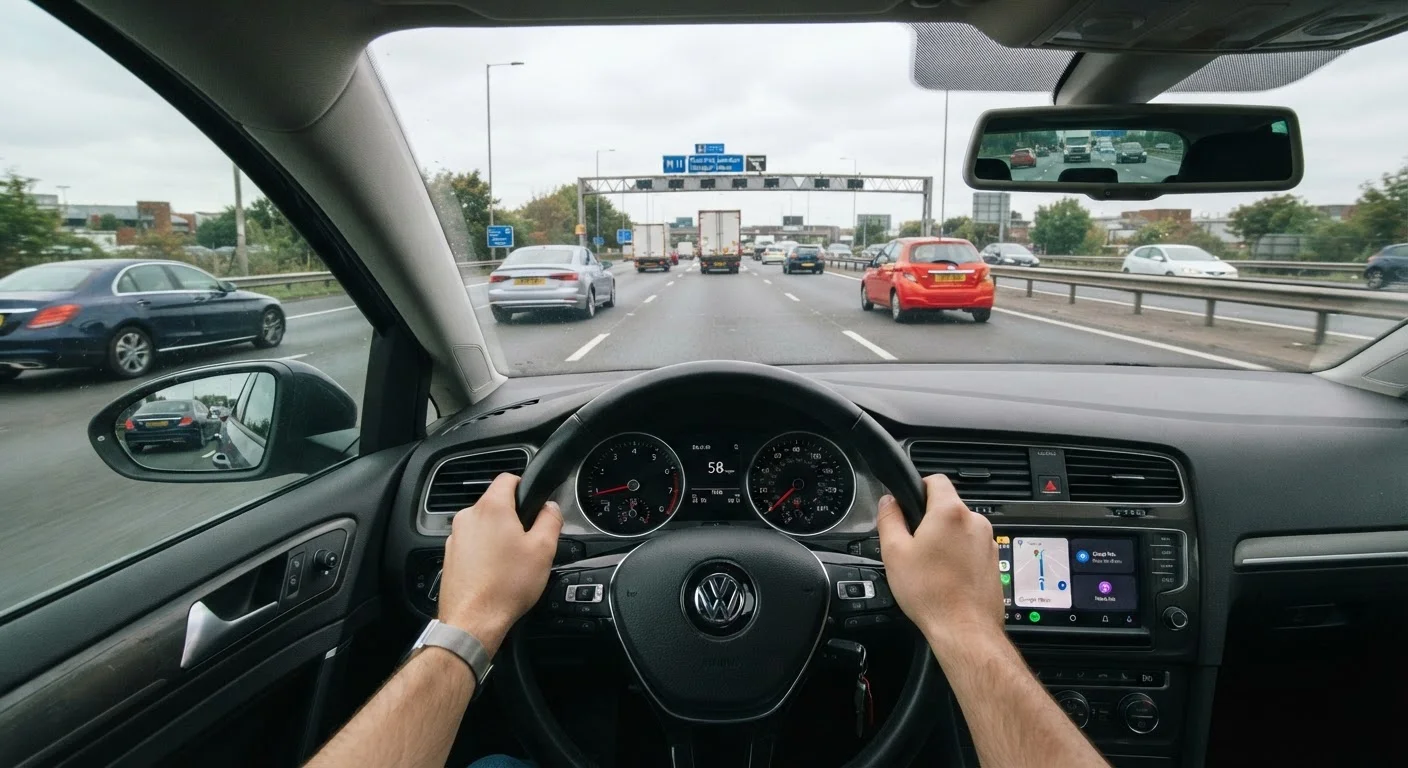
Photo: QuickAdvisor.net editorial
Key Takeaways
- Defensive driving means anticipating hazards, not just reacting to them.
- Maintaining adequate following distance is one of the most effective defensive habits.
- Scanning the road ahead - not just the car in front - gives you more time to respond.
- Defensive driving applies equally in clear conditions and adverse weather.
- Eliminating distractions is a core component, not an optional add-on.
- A formal defensive driving course can reinforce techniques even for experienced drivers.
More Than a Course Title
Most drivers first encounter the phrase "defensive driving" in the context of a traffic school course - something you take after a ticket or to qualify for an insurance discount. That framing undersells what defensive driving actually is: a continuous, deliberate way of operating a vehicle that prioritizes anticipation over reaction.
At its core, defensive driving asks a simple question: What could go wrong right now, and am I positioned to handle it? That question doesn't get asked once. It runs in the background every time you're behind the wheel, across every road type and condition.
The phrase was popularized through formal driver education programs in the mid-20th century, and the underlying principles haven't changed much - because the fundamental challenge of driving hasn't changed either. Roads are shared with drivers of varying skill, attention, and judgment. Defensive driving is how you account for that reality.
The Core Habits That Define It
Defensive driving isn't a single technique - it's a cluster of habits that work together. Understanding each one makes it easier to practice them deliberately:
- Scanning ahead, not just at the car in front of you. Effective drivers look 10-15 seconds down the road, identifying brake lights, merging vehicles, or pedestrians well before they become immediate concerns. This is sometimes called a "high eye position" or "target area gaze."
- Maintaining adequate following distance. The three-second rule - counting the gap between when the car ahead passes a fixed point and when you reach it - gives you a baseline buffer. In rain, fog, or heavy traffic, that gap should grow. Tailgating is a leading contributor to rear-end collisions, even when drivers don't realize they're doing it.
- Anticipating others' actions. Defensive drivers watch for cues - a car drifting toward a lane line, a pedestrian stepping toward the curb, a vehicle slowing without brake lights. They don't assume other drivers will act predictably.
- Eliminating distractions. This isn't a soft suggestion. Cognitive distraction - thinking about something other than driving - reduces reaction time in ways similar to physical distraction. Phones are the most cited culprit, but passengers, navigation systems, and fatigue all qualify.
- Managing space on all sides. Defensive drivers avoid lingering in other vehicles' blind spots and keep an "out" available - a lane or shoulder they could move into quickly if needed.
Practice the Three-Second Count Daily
Defensive Driving Across Different Road Situations
The techniques above apply everywhere, but their emphasis shifts depending on where you're driving:
Urban streets: Intersections are the highest-risk locations in city driving. A defensive driver treats a green light as permission to enter - not a guarantee that the intersection is clear. Checking cross-traffic before proceeding takes under two seconds and can prevent a serious crash.
Highways: Speed compresses decision time. On the highway, following distance becomes even more critical, and certain common habits quietly increase crash risk - including lane camping, late merging, and failing to match traffic speed when entering.
Adverse weather: Wet or icy roads change every calculation. Stopping distances increase dramatically on slick surfaces, and visibility reductions mean hazards appear with less warning. Adjusting your approach for rain, fog, snow, and ice is itself an expression of defensive driving principles applied to specific conditions.
~94%
Crashes involving human error
According to the National Highway Traffic Safety Administration (NHTSA), human error is a critical factor in the vast majority of motor vehicle crashes in the United States.
3 seconds
Minimum recommended following distance
The three-second rule is a standard benchmark used by driver education programs and safety organizations across the U.S. to help drivers maintain adequate stopping distance.
29%
Fatal crashes involving speeding
NHTSA data consistently shows that speeding - which compounds the consequences of inattention and reduces reaction time - is a factor in roughly three in ten traffic fatalities annually.
Why This Mindset Is Worth Developing Deliberately
Most drivers consider themselves above average - a statistical impossibility that researchers call the "illusory superiority" effect. This cognitive bias is one reason defensive habits erode over time: familiarity with driving breeds confidence that isn't always warranted.
Formal courses can help recalibrate, and many states recognize them for insurance or violation-point purposes. But the more durable path is simply committing to the underlying habits as a daily practice. Drivers returning to the road after extended time away may find these principles especially grounding - rebuilding attentiveness alongside basic vehicle control. Returning to regular driving after a long break is an opportunity to install defensive habits from the start rather than recover old patterns.
“The goal of defensive driving is not to make you a nervous driver. It's to make you a thinking driver - one who recognizes that the road is a complex, shared environment and acts accordingly.”
— National Safety Council, U.S.-based nonprofit focused on eliminating preventable deaths and injuries
Defensive driving doesn't make you a timid driver. It makes you a deliberate one - someone who treats the road as a shared, dynamic environment rather than a solo task. That shift in framing, practiced consistently, is where real safety gains come from.
Frequently Asked Questions
The content on this site is for informational purposes only and is not a substitute for professional advice. Always consult a qualified professional for guidance specific to your situation.