
Highway Driving Habits That Quietly Increase Crash Risk

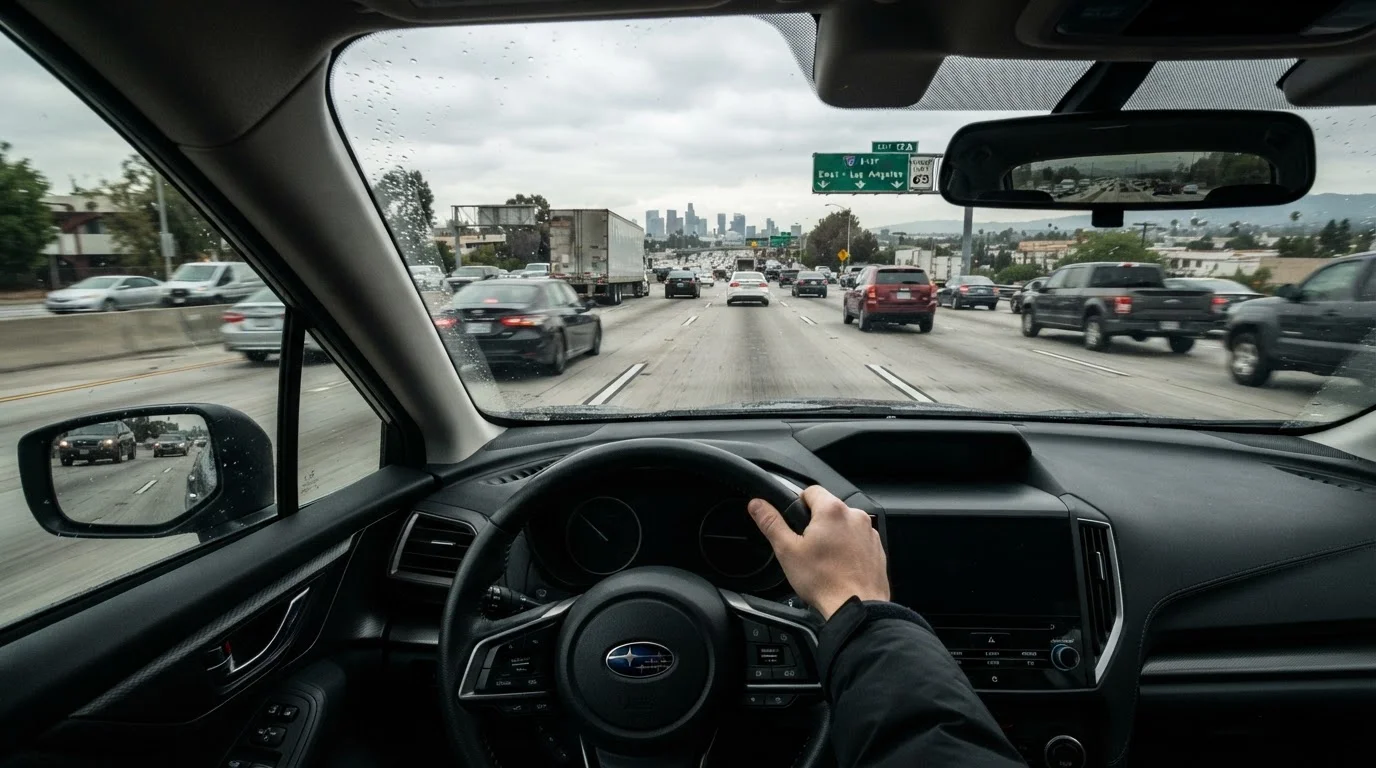
Photo: QuickAdvisor.net editorial
Key Takeaways
- Tailgating is one of the most underestimated crash contributors on U.S. highways.
- Lane discipline errors - including improper merging and camping in the left lane - create chain-reaction hazards.
- Cruise control misuse in adverse conditions can cause drivers to lose vehicle control unexpectedly.
- Fatigue and complacency on long, straight stretches are major factors in single-vehicle highway crashes.
- Adjusting these habits before your next highway trip meaningfully reduces crash exposure.
Why Ordinary Highway Behavior Can Be Dangerous
Most drivers consider themselves competent on the highway. Speeds are steady, lanes are defined, and the road is usually straight. That sense of routine is precisely where risk hides. Behaviors that feel second nature - following a car closely, staying in a comfortable lane, letting cruise control do the work - can quietly raise crash probability without any single obvious warning sign.
The National Highway Traffic Safety Administration (NHTSA) consistently identifies driver behavior, not mechanical failure, as the primary factor in the majority of highway crashes. The habits below are common enough to seem normal, but each one adds measurable danger to your drive. Before your next long trip, consider checking our pre-drive vehicle safety walkthrough as well - vehicle condition and driver behavior work together.
Common Highway Mistakes - and How to Break Them
The following mistakes are organized around the reasons they occur and what a driver can do differently. None require special skill - just deliberate awareness.
Following too closely (tailgating) at highway speeds.
Camping in the left lane without passing.
Using cruise control on wet, icy, or uneven road surfaces.
Merging at a significantly different speed than highway traffic.
Driving drowsy or continuing through fatigue on long stretches.
Failing to check mirrors frequently or monitor blind spots during lane changes.
Distraction is a thread running through many of these errors. While phones get most of the attention, other sources of distraction are equally dangerous and often go unrecognized behind the wheel.
Speed, Conditions, and the Comfort Trap
One of the subtler highway risks is trusting speed limits as a blanket safety guarantee. Posted limits reflect ideal conditions - dry pavement, good visibility, normal traffic density. When any of those factors change, continuing at the limit can be too fast. Rain, construction zones, heavy truck traffic, and nighttime visibility all call for a mental recalibration that many drivers skip.
36%
Highway share of all U.S. traffic fatalities
According to NHTSA data, interstates and freeways consistently account for a significant portion of fatal crashes despite having controlled access and divided lanes.
3 sec
Minimum recommended following distance at highway speed
Traffic safety guidelines widely recommend at least a three-second gap, extending to four or more seconds in poor conditions or when driving a loaded vehicle.
Speed and darkness compound each other significantly. Fatal crash rates rise sharply after dark, partly because stopping distances remain constant while visibility shrinks. Similarly, the gap between legal speed and safe speed can be significant even on familiar roads. If conditions feel like they demand more attention, they probably do - and slowing down is a straightforward response, not a sign of timidity.
For drivers navigating challenging weather specifically, adjusting your technique for rain, fog, snow, and ice is a separate but related skill worth building.
Fatigue Is More Dangerous Than It Feels
The content on this site is for informational purposes only and is not a substitute for professional advice. Always consult a qualified professional for guidance specific to your situation.