
Reading a Recipe Like a Cook, Not Just a Reader

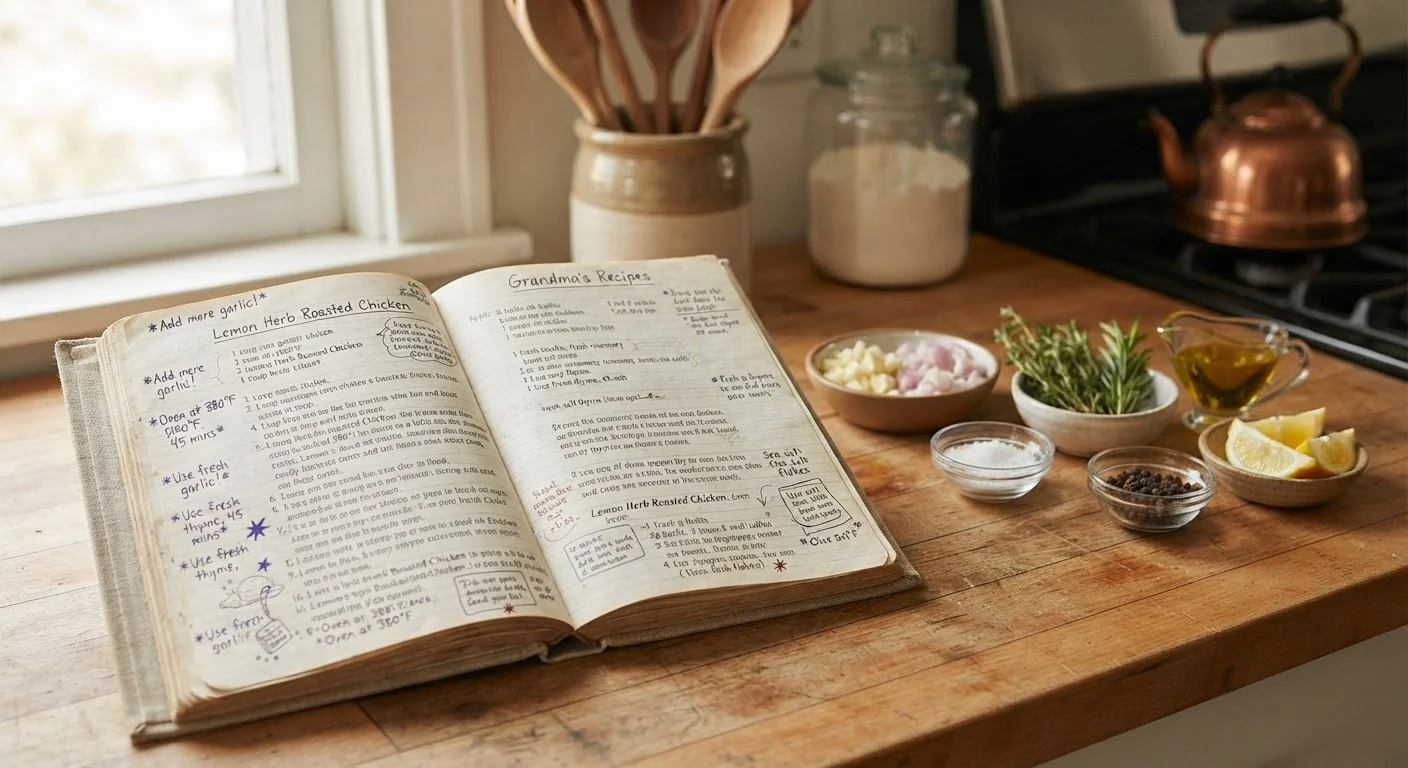
Photo: QuickAdvisor.net editorial
Key Takeaways
- Read the entire recipe before touching any ingredient or equipment.
- Recipe verbs like 'fold,' 'sauté,' and 'reduce' describe specific techniques, not interchangeable actions.
- Mise en place - having everything prepped and measured before cooking - prevents costly mid-cook mistakes.
- Timing cues in recipes (e.g., 'until golden') are often more reliable guides than clock times.
- Understanding ingredient order and groupings reveals how the dish is actually built.
Why Most Recipe Problems Start Before You Cook
The most common kitchen mistakes don't happen at the stove - they happen in the ten seconds a cook spends skimming a recipe before diving in. Recipes are compressed instructions: every word carries weight, and reading them the way you'd read a text message is a reliable path to something going wrong. The fix isn't talent. It's approach.
Learning to read a recipe like a cook means treating it as a technical document with a specific logic - one that, once you understand it, makes cooking faster, less stressful, and far more consistent. This skill pairs directly with other fundamentals: see our prep checklist for how to organize yourself before heat goes on.
Read the Whole Thing First - Without Exception
Professional cooks read a recipe completely before touching a single ingredient. This isn't optional discipline; it's the foundation of everything else. A full read-through reveals hidden time requirements (a dough that needs two hours to rest), equipment you may not own (a candy thermometer, a 9-inch springform pan), and steps that need to happen simultaneously.
Look specifically for: passive time (chilling, marinating, rising), any ingredients that appear in multiple stages, and steps that require a second person's worth of timing. If you discover mid-recipe that your butter needed to be room temperature an hour ago, the dish is already compromised.
Use a Pencil While You Read
Once you've read the recipe, visualize the full arc of the dish from start to finish. This mental rehearsal is exactly what experienced cooks do - it's not overthinking, it's preparation.
Decoding Recipe Language: Verbs Are Instructions
Recipe verbs are the most information-dense part of any instruction. They describe not just what to do, but how much force, how much time, and what physical result you're aiming for. Confusing them produces real differences in outcome.
Treat 'fold' as a distinct technique, not a synonym for 'stir'
Understand 'reduce' as a transformation, not just simmering
Recognize 'sauté' as high heat, small quantity, constant movement
Parse 'season to taste' as an active judgment, not an afterthought
Apply mise en place before any heat goes on
Understanding these distinctions also connects to broader technique knowledge. If you want to go deeper on stovetop methods, sautéing, pan-frying, and stir-frying each follow different physical principles that recipes assume you know.
Timing Cues Trump Clock Times
Recipe times are estimates written under ideal conditions - a calibrated oven, a specific pan material, ingredients at standard temperature. Your kitchen will vary. A recipe that says "bake 25 minutes until golden brown" is giving you two pieces of information: a rough duration, and the visual signal that actually matters.
Train yourself to prioritize sensory cues over the timer. "Until fragrant" means the aromatics have bloomed. "Until the edges pull away from the pan" means structure has set. "Until a skewer comes out clean" is more reliable than any time estimate. This shift - from clock-watching to observation - is one of the most significant leaps a home cook can make. Our article on why recipes fail even when followed exactly covers how misreading these cues accounts for many common failures.
~25%
Oven temperature variation in home kitchens
Consumer Reports and culinary testing consistently find home ovens can run 25°F or more off their set temperature, underscoring why visual doneness cues matter more than stated cook times.
3x
Steps where timing errors most commonly occur
Culinary educators broadly identify the blooming of aromatics, sauce reduction, and baked-good doneness as the three stages where home cooks most often rely on the clock instead of observation.
Ingredient Lists Tell a Story - If You Know How to Read Them
Ingredient lists aren't shopping lists with quantities attached. In a well-written recipe, ingredients are listed in the order they'll be used, and grouped by the step they belong to. A list that shows "2 eggs, divided" or "1 cup flour, plus more for dusting" is embedding technique directly into the measurement. "Divided" means the ingredient appears in two separate steps - always find out where the second portion goes before you start.
Descriptors in ingredient lists are also functional: "1 cup heavy cream, cold" means temperature matters for technique (whipping). "2 cloves garlic, minced" versus "2 cloves garlic, smashed" will produce different flavor intensities and textures. These aren't interchangeable. For building skills in the prep phase, knife skills directly affect your ability to execute these cuts accurately.
Put It Into Practice Today
Reading smarter takes no extra equipment and costs nothing - it just requires a deliberate habit shift. Start with your next recipe, even a familiar one, and apply a cook's eye to every line.
The goal is confidence through comprehension. A recipe read well is a recipe half-cooked. For a broader foundation in kitchen fundamentals, cooking from scratch covers the full starting point.
The content on this site is for informational purposes only and is not a substitute for professional advice. Always consult a qualified professional for guidance specific to your situation.