
Guided Tours vs. Independent Exploration: Weighing Both Approaches

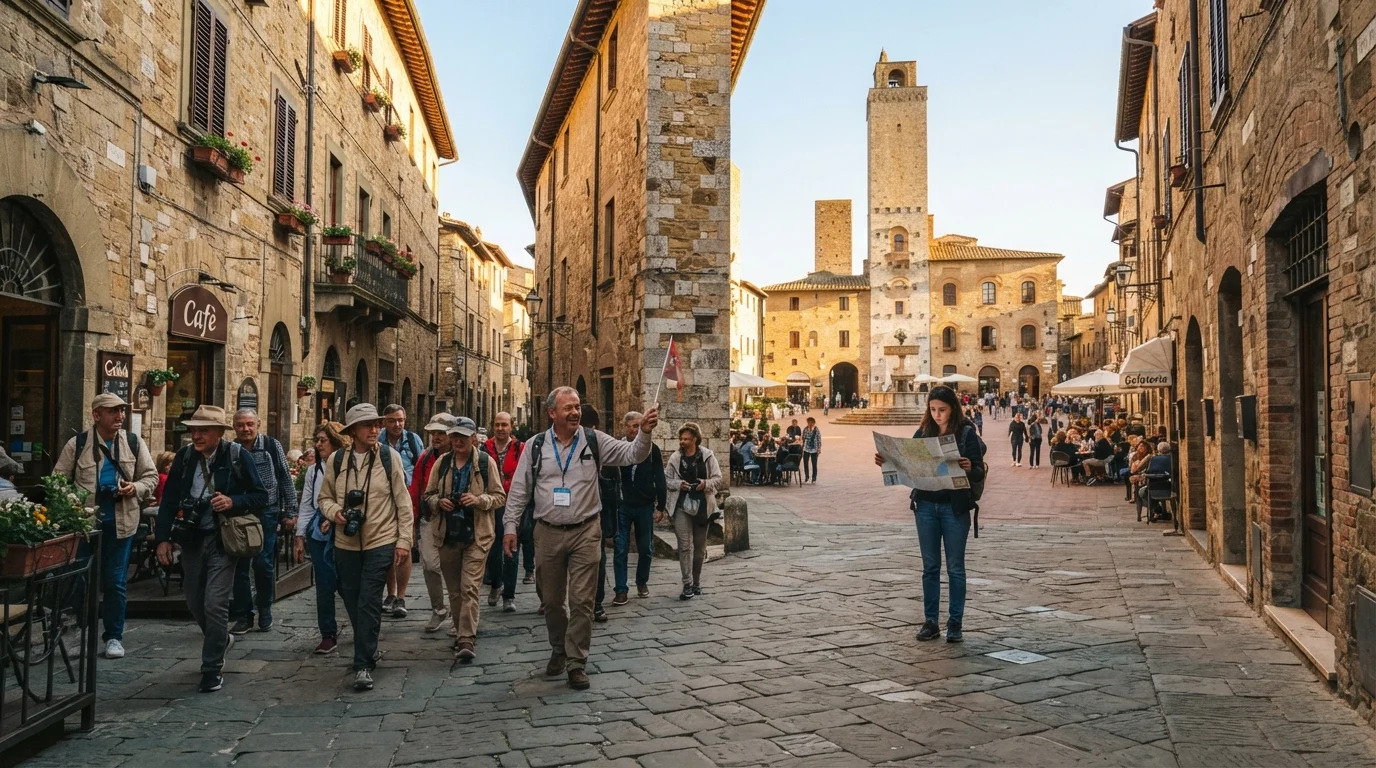
Photo: QuickAdvisor.net editorial
Key Takeaways
- Guided tours excel in destinations where language barriers or access restrictions make independent travel difficult.
- Independent exploration gives you full control over pace, budget allocation, and daily decisions.
- A hybrid approach - using guides selectively for specific sites - often yields the best of both worlds.
- Neither option is universally superior; destination type and personal travel style matter most.
- First-time visitors to complex or unfamiliar destinations often find guided tours significantly reduce stress.
What You're Actually Choosing Between
The debate between guided tours and independent exploration isn't really about which one is better - it's about which one fits this trip and this version of you as a traveler. Both approaches have genuine strengths, and both come with real tradeoffs worth understanding before you book anything.
A guided tour typically means joining a group or hiring a private guide who leads you through a destination with a set itinerary, professional commentary, and pre-arranged logistics. Independent exploration means you're the architect - choosing where to go, how long to stay, and what to skip. If you're still mapping out the broader shape of your trip, the Trip Planning From Scratch guide walks through the full process from destination choice to departure.
The smartest travelers often don't pick just one mode for an entire trip - they use guided experiences for specific, high-value moments and go independent the rest of the time.
| Criterion | Guided Tours | Independent Exploration |
|---|---|---|
| Scheduling flexibility | Fixed itinerary, set pace | Fully self-directed timing |
| Local knowledge depth | Expert commentary included | Depends on your research |
| Language barrier navigation | Guide handles communication | Traveler manages independently |
| Site access | Often includes restricted areas | Limited to public access |
| Budget control | Bundled cost, less flexible | Full discretion over spending |
| Serendipity potential | Low - schedule-driven | High - improvisation welcome |
| Planning effort required | Minimal - operator plans for you | Significant - you plan everything |
| Social interaction | Built-in group dynamic | Self-initiated connections |
Where Guided Tours Have a Real Edge
Guided tours genuinely shine in a few contexts that independent travel struggles to replicate. Access is the big one. Certain archaeological sites, wildlife reserves, and culturally sensitive locations require credentialed guides or limit independent visitor numbers. A tour operator often navigates those restrictions for you.
Context and depth are the other major advantage. A well-researched guide can turn a pile of ancient stones into a living story - the kind of understanding that a posted placard simply can't deliver. This matters especially at historical and cultural sites where background knowledge transforms what you're seeing.
Language barriers also shift the calculus significantly. In destinations where English is rarely spoken and signage is opaque, having a guide eliminates hours of confusion and opens doors - literally and figuratively - that solo travelers often miss. For travelers who want that depth woven into every stop, immersive travel experiences worth planning around take the guided concept even further with multi-day, hands-on formats.
~70%
Travelers combining guided and independent elements
Travel industry surveys consistently show the majority of international travelers mix guided experiences with independent time rather than choosing one exclusively.
2-3x
More historical context retained with guided visits
Visitor studies at heritage sites suggest travelers with guided interpretation recall significantly more about what they saw compared to unguided visits.
Why Independent Exploration Earns Its Devoted Following
Ask independent travelers what they love most and the answer is almost always the same: the freedom to follow curiosity. When you're not accountable to a group schedule, a side street, an unplanned lunch spot, or a conversation with a local can become the highlight of your trip. That kind of serendipity is nearly impossible to engineer inside a fixed itinerary.
Independent travel also rewards research skills. Travelers who dig into neighborhoods, transportation options, and local rhythms before they arrive often access a richer, more authentic slice of a destination than any group tour covers. The itinerary planning approaches compared breakdown is worth reading if you want to think through how structured or loose you want your independent schedule to be.
Budget control is another real perk. Without a tour price bundling meals, transport, and entry fees, you can redirect money toward what matters to you - a longer stay at one place, a splurge dinner, or an extra night in a city you love. Independent travel also pairs naturally with slow travel principles, where lingering and absorbing replace checking off a list.
How to Decide - and When to Combine Both
A few honest questions help most travelers land on the right answer. How comfortable are you with uncertainty? How much pre-trip research are you willing to do? Does your destination have specific access or safety considerations that make local expertise valuable?
If uncertainty stresses you out and your destination is culturally or linguistically unfamiliar, leaning toward guided experiences - at least for key sites - makes real sense. If flexibility energizes you and you've done solid research, independent exploration will likely feel more rewarding. Your travel style also intersects with whether you're going solo or with others; the solo vs. group travel comparison adds useful perspective on how party size shapes these decisions.
The most practical takeaway: you don't have to commit entirely to either approach. Many experienced travelers book a guide for the first day or two to build orientation and confidence, then spend the rest of the trip exploring independently. Others hire guides specifically for one complex site or activity, then go solo everywhere else. Treating guided and independent travel as complementary tools - rather than competing philosophies - gives you maximum flexibility to shape a trip that actually delivers.
Safety and Entry Requirements Vary by Destination
The content on this site is for informational purposes only and is not a substitute for professional advice. Always consult a qualified professional for guidance specific to your situation.